 dictionaryBooks
avoir
[avwaʁ]Meanings 10
In short
Almost all verbs form the past with avoir: “j'ai mangé”, “il a vu”. Être is only for verbs of motion and change of state and for reflexive verbs.
French “has” hunger, thirst, fear, heat and cold where English “is”, with no article: “j'ai faim” (I'm hungry), “j'ai peur” (I'm afraid), “j'ai chaud” (I'm hot).
Age is “had” too: “J'ai vingt ans” (I'm twenty), not “je suis vingt ans”.
Forms
Présent
- j'ai
- tuas
- ila
- nousavons
- vousavez
- ilsont
Imparfait
- j'avais
- tuavais
- ilavait
- nousavions
- vousaviez
- ilsavaient
Passé simple
- j'eus
- tueus
- ileut
- nouseûmes
- vouseûtes
- ilseurent
Futur simple
- j'aurai
- tuauras
- ilaura
- nousaurons
- vousaurez
- ilsauront
In books
Un grand ouvrier qui avait une barbe et des cheveux noirs tout frisés le regardait d’un air bon.
A tall workman with a beard and curly black hair was looking at him kindly.
L'essentiel est qu'on dise sans crainte d'erreur: Arsène Lupin a fait cela.
What matters is that people can say without fear of being wrong: Arsène Lupin did this.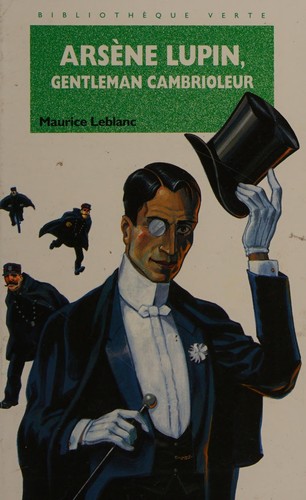
En passant devant la mairie, je vis qu’il y avait du monde arrêté près du petit grillage aux affiches.
As I passed the town hall I saw that there was a crowd standing by the little notice board.
— Elle est morte, il y a deux ans, d’une fluxion de poitrine à la suite d’un bal.
“She died two years ago of pneumonia she caught after a ball.”


In modern texts
Collocations
avoir + noun, no article
- avoir faimto be hungry
- avoir soifto be thirsty
- avoir peurto be afraid
- avoir chaudto be hot
- avoir froidto be cold
- avoir sommeilto be sleepy
- avoir honteto be ashamed
- avoir malto hurt, to ache
- avoir raisonto be right
- avoir tortto be wrong
- avoir besoin deto need
- avoir envie deto feel like
- avoir hâte deto look forward to, can't wait to
- avoir confiance ento trust
Set expressions
- avoir l'airto look, to seem
- avoir lieuto take place
- avoir de la chanceto be lucky
- avoir l'habitude deto be used to
- avoir l'intention deto intend to
- avoir affaire àto deal with
- avoir du mal àto have trouble doing
- en avoir assezto be fed up
- en avoir marreto be sick of it (informal)
- n'avoir qu'àto only have to
- en avoir pourto take (time), to cost
- il n'y a pas de quoiyou're welcome
- qu'est-ce qu'il y a ?what's the matter?
- il y a de quoiwith good reason
- avoir le dernier motto have the last word
- avoir les yeux plus gros que le ventreto bite off more than one can chew
- avoir un chat dans la gorgeto have a frog in one's throat
Watch out
A without an accent is “has” (il a). À with the accent is the preposition “to, at” (il va à Paris).
The participle eu is a single sound, [y]: “j'ai eu” [ʒe y].
 Le Vicomte de Bragelonne13,671 times
 Le Comte de Monte-Cristo10,482 times
 Jean-Christophe10,313 times
 Guerre et Paix7,999 times