 dictionaryBooks
être
[ɛtʁ]Meanings 12
In short
In compound tenses être itself takes avoir: “j'ai été” (I have been), never “je suis été”.
Verbs of motion and change of state (aller, venir, partir, naître, mourir…) and all reflexive verbs form the past with être: “elle est venue”, “il s'est levé”. The participle then agrees with the subject: “elles sont parties”.
C'est or il est? Before a noun with an article French says c'est: “C'est un médecin”. Before a bare job title or an adjective about a person, il est: “Il est médecin”, “Il est gentil”.
Forms
Présent
- jesuis
- tues
- ilest
- noussommes
- vousêtes
- ilssont
Imparfait
- j'étais
- tuétais
- ilétait
- nousétions
- vousétiez
- ilsétaient
Passé simple
- jefus
- tufus
- ilfut
- nousfûmes
- vousfûtes
- ilsfurent
Futur simple
- jeserai
- tuseras
- ilsera
- nousserons
- vousserez
- ilsseront
In books
Nous sommes seuls échappés du naufrage ; tous nos camarades ont péri, et j’envie maintenant leur sort.
We are the only ones who escaped the shipwreck; all our companions have perished, and now I envy their fate.
Casse-Noisette était là, tenant son sabre sanglant dans sa main droite, et une bougie dans sa main gauche.
The Nutcracker was there, holding his bloody sabre in his right hand and a candle in his left.
C’est une idole, vous dis-je; on le voit bien à son air.
It's an idol, I tell you; you can see it from the look of her.
Ils se retournèrent, et ils s'aperçurent que la nuit était venue.
They turned round and saw that night had fallen.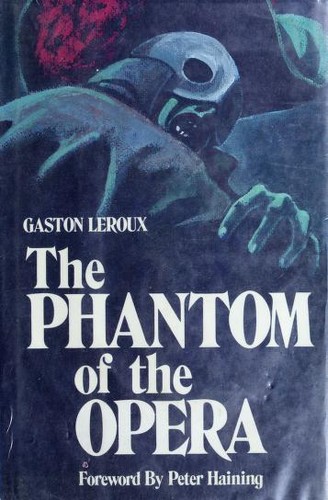

In modern texts
L'apprentissage ne devrait pas être forcé. L'apprentissage devrait être encouragé.
Learning should not be forced. Learning should be encouraged.TatoebaCollocations
être + adjective
- être contentto be pleased
- être fatiguéto be tired
- être prêtto be ready
- être sûrto be sure
- être maladeto be ill
- être capable deto be able to
With prepositions
- être en retardto be late
- être à l'heureto be on time
- être en colèreto be angry
- être au courantto be in the know
- être en vieto be alive
- être de retourto be back
- être en vacancesto be on holiday
Set expressions
- être en train deto be in the middle of (doing)
- être sur le point deto be about to
- être d'accordto agree
- n'est-ce pas ?isn't it?, don't you?
- est-ce que(introduces a question)
- qu'est-ce que c'est ?what is it?
- c'est-à-direthat is to say
- ça y estthat's it!, done!
- y êtreto get it (informal)
- quoi qu'il en soitbe that as it may
- toujours est-il quethe fact remains that
- il était une foisonce upon a time
- si ce n'estif not, except
- ne serait-ce queif only, even if only
- étant donné quegiven that
- c'est pourquoithat's why
- ça m'est égalI don't mind, it's all the same to me
- être pour quelque chose dansto have something to do with
- n'être pour rien dansto have nothing to do with
- il en est de même pourthe same goes for
- ainsi soit-ilso be it, amen
- les jeux sont faitsthe die is cast
Watch out
Été is both the past participle of être (“j'ai été”, I have been) and the noun l'été (“summer”). The article gives it away: “cet été” is “this summer”.
 Le Vicomte de Bragelonne17,396 times
 Les Misérables16,905 times
 Jean-Christophe15,446 times
 Le Comte de Monte-Cristo13,114 times
 Guerre et Paix11,180 times