 dictionaryBooks
là
[la]Meanings 6
In short
Là has a grave accent; without it, la is the article or the pronoun: “là” (there) and “la maison” (the house).
In speech là often means “here”: “Je suis là” (I'm here), “Paul est là ?” (Is Paul in?). The strict “here” is ici.
The suffix -là is joined with a hyphen and points to something further off: “ce jour-là” (that day), “celui-là” (that one). Its partner is -ci: “ce livre-ci” (this book).
C'est là… singles out what has just been said: “C'était donc là l'explication” (so that was the explanation).
In books
L’homme ému restait là, ne sachant comment partir.
The man, moved, stood there, not knowing how to leave.
C’était là que j’allais passer l’hiver, séparé de Vitalis...
That was where I was to spend the winter, parted from Vitalis...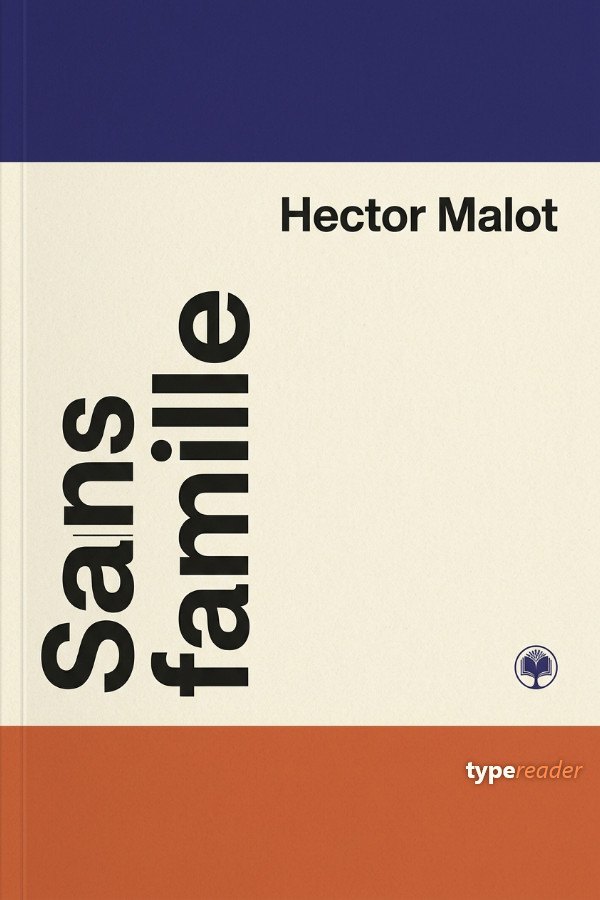
Mais son frère était là et Raoul se laissa tomber dans ses bras, comme un bébé.
But his brother was there, and Raoul fell into his arms like a baby.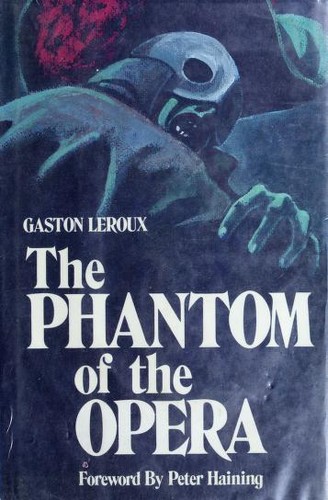

Sa maman lui faisait toujours un joli présent ce jour-là, mais elle ne lui disait jamais d'avance ce qu'elle lui donnerait.
Her mother always gave her a pretty present on that day, but she never told her in advance what it would be.
— Et cet homme-là n'est pas le détenu qui vous a été remis?
“And that man is not the prisoner who was handed over to you?”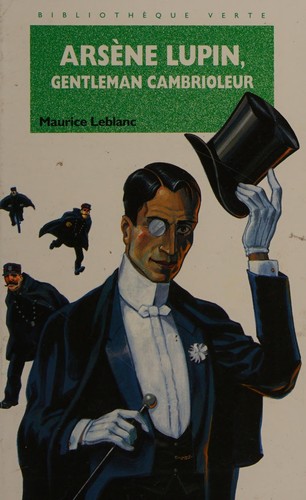
C’était donc là l’explication du mystère qui m’avait tant intrigué.
So that was the explanation of the mystery that had puzzled me so much.De là, nécessité d'acheter les vêtements et objets nécessaires au voyage.
Hence the need to buy the clothes and things needed for the journey.
Jusque-là, on avait vécu sur les économies d'autrefois; maintenant, la dette commençait.
Until then they had lived on their old savings; now the debts were starting.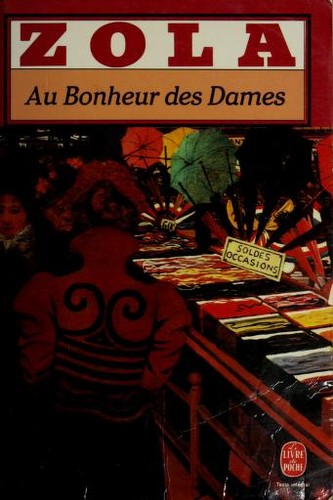
In modern texts
Collocations
ce …-là
- ce jour-làthat day
- à ce moment-làat that moment
- cette fois-làthat time
- en ce temps-làin those days
- celui-là, celle-làthat one
- ceux-là, celles-làthose ones
Set expressions
- là-basover there
- là-hautup there
- là-dessuson that; thereupon; about that
- là-dedansin there; in that
- par làthat way; by that
- de làfrom there; hence
- çà et làhere and there
- par-ci, par-làhere and there, now and then
- loin de làfar from it
- en rester làto leave it at that
- oh là là !oh dear! wow!
- qui va là ?who goes there?
- quand le chat n'est pas là, les souris dansentwhen the cat's away, the mice will play
Watch out
Usually “he's not in, he's not here”, not “he's not there”. And “Je suis là !” means “I'm here!”.
 Les Misérables1,513 times
 Le Vicomte de Bragelonne1,156 times
 Guerre et Paix752 times
 Jean-Christophe714 times
 Le Comte de Monte-Cristo667 times