 dictionaryBooks
même
[mɛm]Meanings 7
In short
Before a noun même means “same”: “le même jour” (the same day). After a noun or pronoun it means “very” or “-self”: “le jour même” (that very day), “lui-même” (himself).
With pronouns it takes a hyphen: moi-même, toi-même, eux-mêmes; in the plural it adds s: “nous-mêmes”.
In books
Ce n'était plus le même homme, depuis qu'il avait tourné le dos au blockhaus et à ses complices.
He was no longer the same man since he had turned his back on the blockhouse and his accomplices.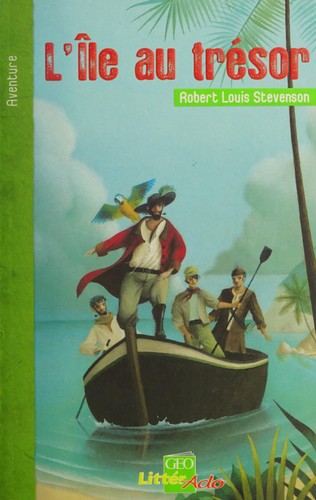
Même la raclée dont Castor-Gris l'avait gratifié dans son enfance n'était que du lait en regard de celle-ci.
Even the thrashing Grey Beaver had given him as a pup was mild compared with this one.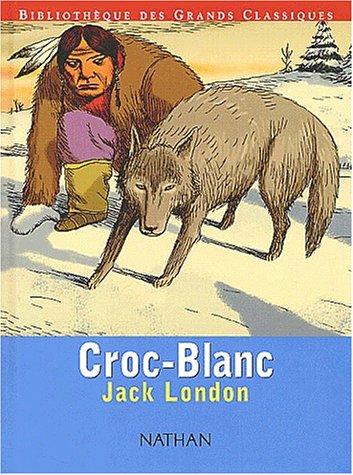
Il l’avait expliqué lui-même avec l’irrésistible accent de la réalité.
He had explained it himself with the irresistible ring of truth.
— Des choses que je crois de la plus haute gravité, et qui nécessitent mon départ à l'instant même pour Paris.
“Matters I believe to be of the utmost gravity, which require me to leave for Paris this very instant.”
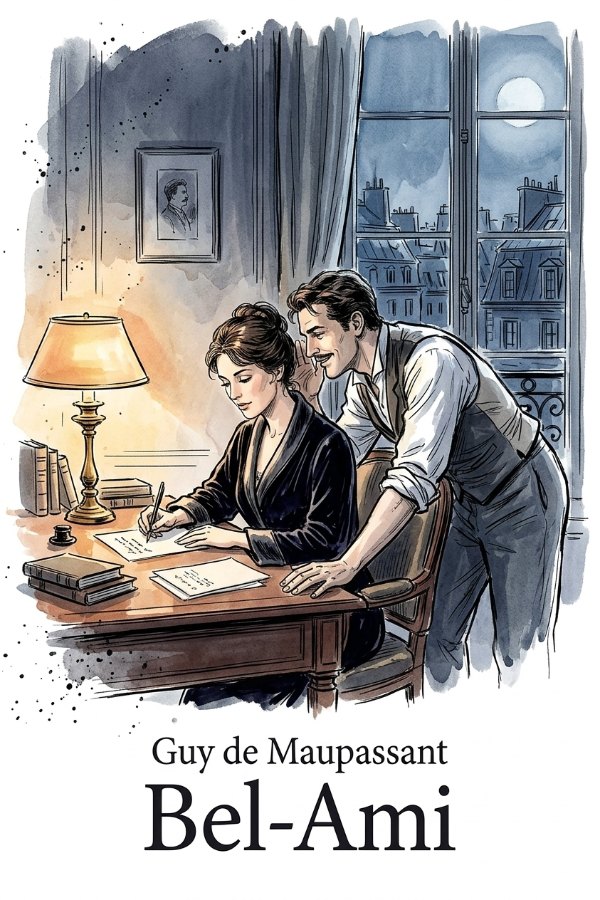
Je suis entré chez toi, pour te montrer que je t'estime quand même.
I came to your place to show you that I respect you all the same.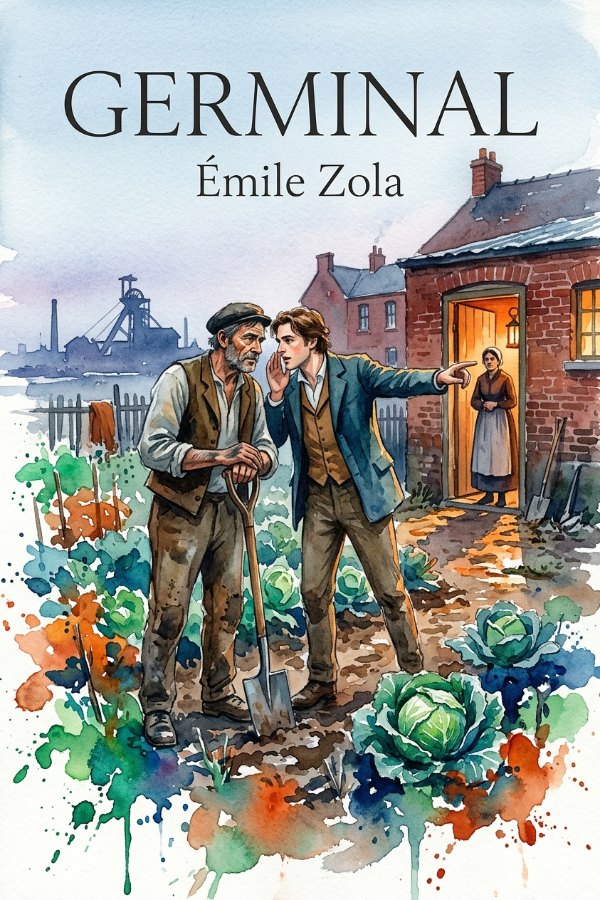
In modern texts
Collocations
même + noun
- la même chosethe same thing
- le même jourthe same day
- le même âgethe same age
- en même tempsat the same time
- au même momentat the same moment
Set expressions
- tout de mêmeall the same, still
- de même quejust as
- même sieven if
- à même deable to, in a position to
- de lui-mêmeof his own accord
- mettre à même deto enable
- cela revient au mêmeit comes to the same thing
- du même coupat the same time, in the process
Watch out
“Pas même” and “même pas” mean “not even”: “Il ne m'a même pas regardé” (He didn't even look at me). In speech ne often drops out: “Il m'a même pas regardé”.
Même is “same” only before a noun: “le même homme”. After a noun or pronoun it means “very” or “-self”, and on its own it means “even”.
 Le Vicomte de Bragelonne1,530 times
 Jean-Christophe1,522 times
 Guerre et Paix1,300 times