 dictionaryBooks
mettre
[mɛtʁ]Meanings 6
In short
Forms that are hard to recognise: je mets, il met, nous mettons; il mit, ils mirent (simple past); mis, mise (participle).
“Se mettre à” + infinitive means “to start”: “Il se mit à rire” (he started laughing). It is one of the most frequent links in books.
Time works like this: “mettre deux heures à faire quelque chose” (to take two hours to do something), “Combien de temps met-on ?” (how long does it take?).
With nouns mettre makes many set phrases: mettre fin à (to put an end to), mettre le feu à (to set fire to), mettre au courant (to fill in), mettre en route (to start, set off).
Forms
Présent
- jemets
- tumets
- ilmet
- nousmettons
- vousmettez
- ilsmettent
Imparfait
- jemettais
- tumettais
- ilmettait
- nousmettions
- vousmettiez
- ilsmettaient
Passé simple
- jemis
- tumis
- ilmit
- nousmîmes
- vousmîtes
- ilsmirent
Futur simple
- jemettrai
- tumettras
- ilmettra
- nousmettrons
- vousmettrez
- ilsmettront
In books
Quand il avait quelqu’un à dîner, madame Magloire allumait les deux bougies et mettait les deux flambeaux sur la table.
When he had someone to dinner, Madame Magloire lit the two candles and put the two candlesticks on the table.
— Que veux-tu que je me mette sur le dos pour aller là ?
“And what do you expect me to put on my back to go there?”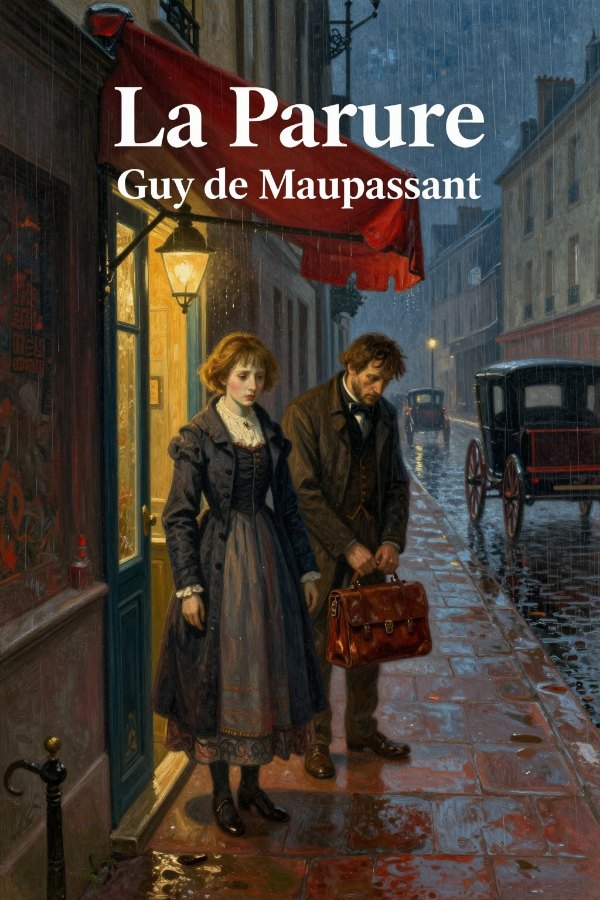
D’Artagnan mit la bague à son doigt et attendit de nouveau; il était évident que tout n’était pas fini encore.
D'Artagnan put the ring on his finger and waited again; it was clear that all was not over yet.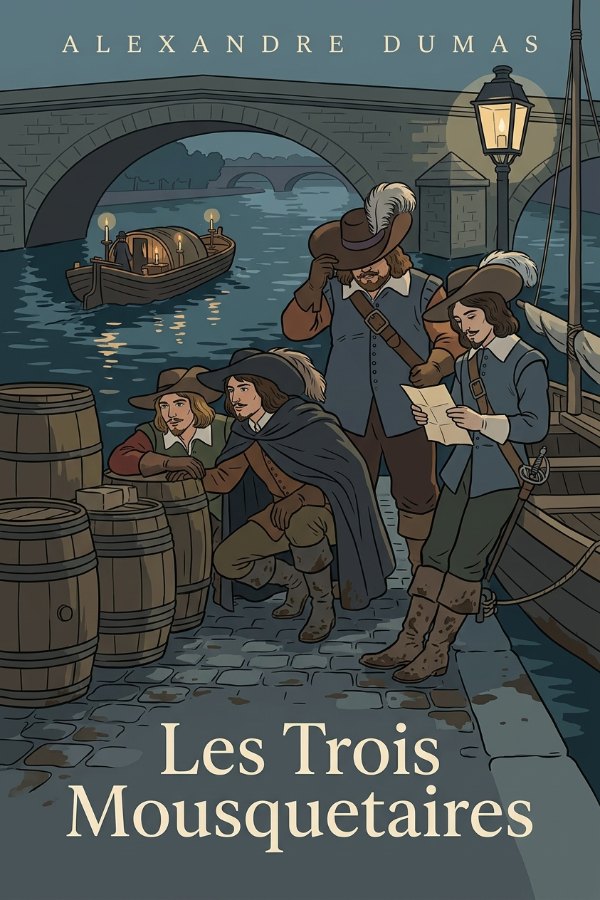
Georges, ayant dîné seul, se mit à écrire son article.
Georges, having dined alone, began writing his article.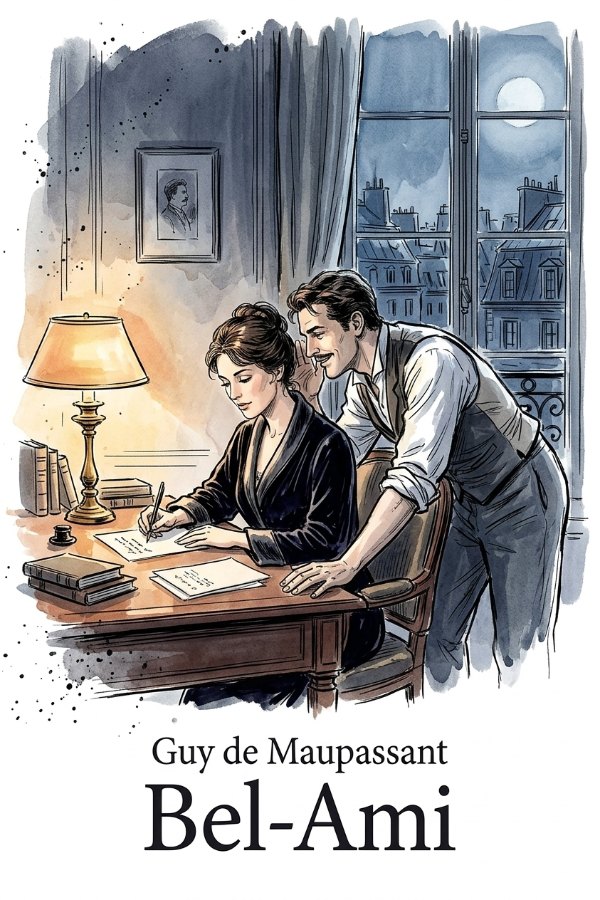
La porte restant ouverte, l'écureuil se précipita hors de sa cage et se mit à courir dans la chambre.
With the door left open, the squirrel dashed out of its cage and began running round the room.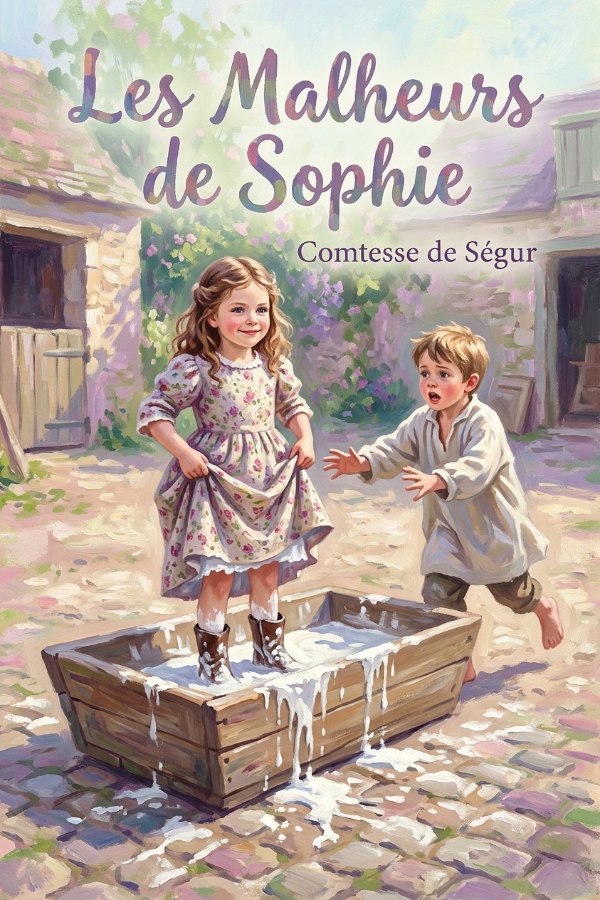
Il s’approcha en tremblant et en admirant, et se mit à genoux auprès d’elle.
He came near, trembling and marvelling, and knelt down beside her.
Ensuite elle marchait de long en large; elle se mettait devant les fenêtres, elle regardait la Place.
Then she paced up and down; she would stand at the windows and look out at the square.
Julien en mit deux à gagner Strasbourg, il lui semblait qu'il n'avait rien à y faire.
Julien took two to reach Strasbourg; it seemed to him he had nothing to do there.
In modern texts
Est-ce que tu sais par hasard où j'ai mis mes clés ?
Do you happen to know where I put my keys?TatoebaJ'ai tellement de vêtements que je ne sais pas quoi mettre demain.
I have so many clothes that I don't know what to wear tomorrow.TatoebaCombien de temps cela met-il pour marcher jusqu'à la gare ?
How long does it take to walk to the station?TatoebaCollocations
se mettre à + infinitive
- se mettre à rireto start laughing
- se mettre à pleurerto burst into tears
- se mettre à courirto break into a run
- se mettre à tableto sit down to eat
- se mettre à genouxto kneel down
- se mettre au travailto get down to work
Set expressions
- mettre fin àto put an end to
- mettre le feu àto set fire to
- mettre au courantto fill in, inform
- se mettre en routeto set off
- mettre à la porteto throw out, fire
- mettre de côtéto put aside
- mettre en gardeto warn
- mettre en douteto call into question
- mettre les piedsto set foot
- mettre la main surto lay hands on
- mettre la tableto lay the table
- mis à partapart from
Watch out
Mettre is “to put on” (the action), porter is “to wear”: “Elle met son manteau” (she puts on her coat), “Elle porte un manteau” (she's wearing a coat).
 Le Vicomte de Bragelonne659 times
 Jean-Christophe590 times
 Gil Blas de Santillane486 times
 Don Quichotte de la Manche486 times