 dictionaryBooks
partir
[paʁ.tiʁ]Meanings 5
Le train part à huit heures.The train leaves at eight.
Deux routes partent du village.Two roads branch off from the village.
In short
Partir is conjugated like sortir: je pars, il part, nous partons, ils partent; passé simple “il partit”. Compound tenses take être: “il est parti”, “elle est partie”.
“Partir pour”, “partir à” mean “to leave for”: “partir pour Paris”, “partir à la campagne”, “partir en vacances” (to go on holiday). “Partir de” is “to leave from” or “to start from”: “partir de rien” (to start from nothing).
“À partir de” means “from, starting from”: “à partir de demain”, “à partir de ce moment”. It also gives the material: “fait à partir du lait” (made from milk).
“C'est parti !” means “here we go!”. As a gentle euphemism “il est parti” can mean “he has passed away”. “Avoir maille à partir avec quelqu'un” is “to have a bone to pick with someone”, from an old sense of partir, “to share out”.
Forms
Présent
- jepars
- tupars
- ilpart
- nouspartons
- vouspartez
- ilspartent
Imparfait
- jepartais
- tupartais
- ilpartait
- nouspartions
- vouspartiez
- ilspartaient
Passé simple
- jepartis
- tupartis
- ilpartit
- nouspartîmes
- vouspartîtes
- ilspartirent
Futur simple
- jepartirai
- tupartiras
- ilpartira
- nouspartirons
- vouspartirez
- ilspartiront
In books
Enfin, l’heureux jour arriva : on partit et Cendrillon les suivit des yeux le plus longtemps qu’elle put.
At last the happy day came: they set off, and Cinderella followed them with her eyes as long as she could.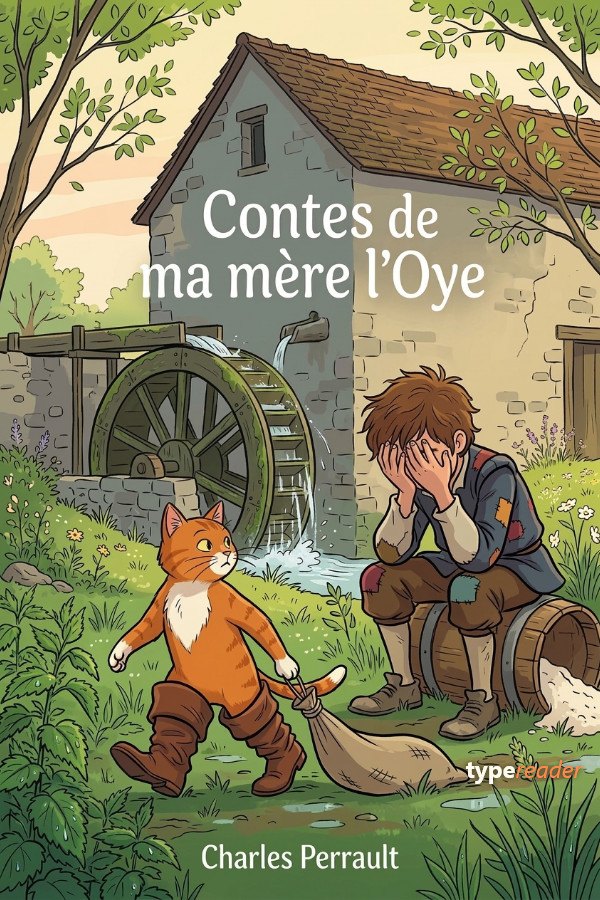
Les Tuvache, sur leur porte, le regardaient partir, muets, sévères, regrettant peut-être leur refus.
The Tuvaches, at their door, watched him go, silent and stern, perhaps regretting their refusal.
Il avait alors une envie folle de jurer, de prendre son chapeau et de partir en tapant la porte.
He would then have a mad urge to swear, grab his hat and leave, slamming the door.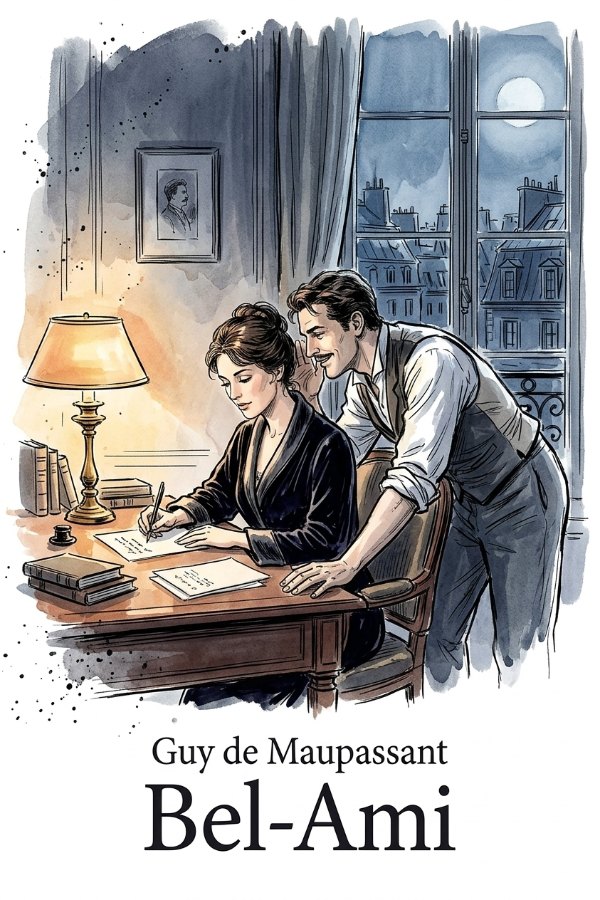
À six heures moins un quart, les voyageurs atteignaient la gare et trouvaient le train prêt à partir.
At a quarter to six the travellers reached the station and found the train ready to leave.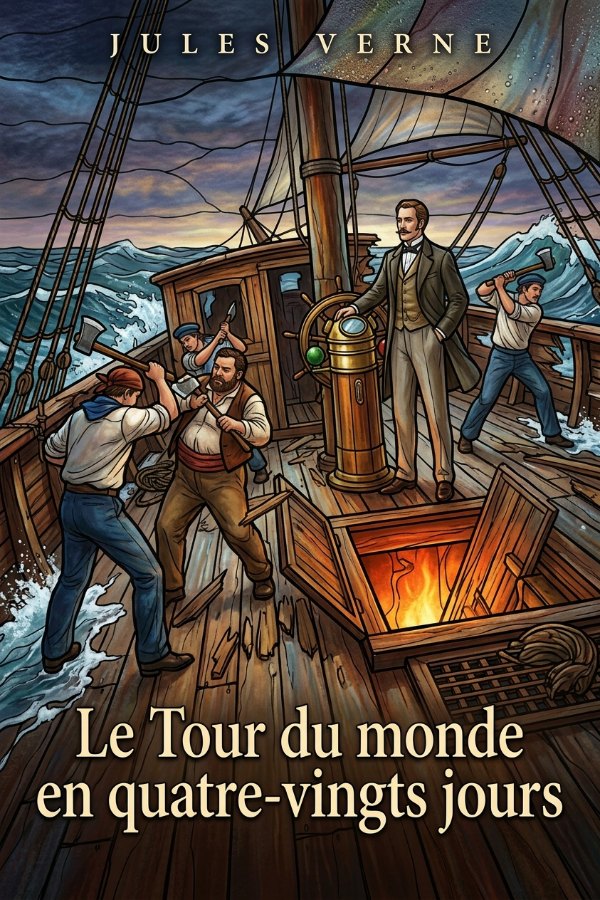
Ils surent, en arrivant au Havre, que leur navire, la Sibylle, ne devait partir que dans trois jours.
On arriving at Le Havre they learned that their ship, the Sibylle, would not sail for three days.
Dès l'instant où le traîneau s'ébranla, tout l'attelage partit aux trousses de Lip-Lip, en une chasse effrénée et qui dura le jour entier.
The moment the sled started, the whole team set off after Lip-Lip in a frantic chase that lasted all day.
À droite et à gauche partaient les deux bras d’un escalier monumental, qui se rejoignaient au premier étage.
To right and left rose the two branches of a monumental staircase, which met on the first floor.Elle était vêtue d’un large peignoir blanc à mille plis et à grandes manches qui, partant du cou, lui tombait jusqu’aux pieds.
She wore a loose white dressing gown with a thousand folds and wide sleeves, which fell from her neck to her feet.
C'est à partir de ce jour que je renonçai à pénétrer dans sa demeure par le lac!
It was from that day on that I gave up trying to get into his home by way of the lake!
Cette fois c’était l’heure: aussi, à partir de ce moment, Milady attendit-elle avec impatience.
This time it was the hour; so from that moment on Milady waited impatiently.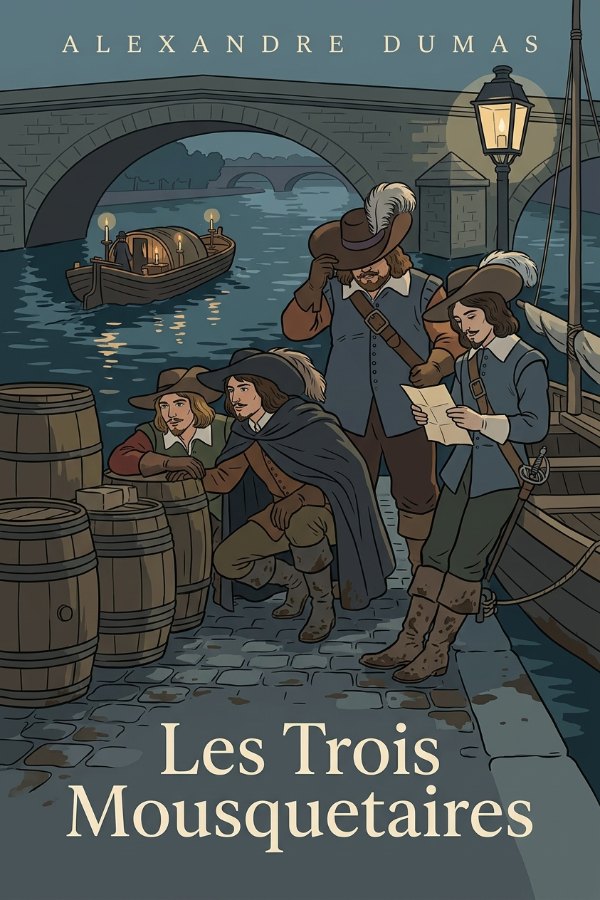
Et aussitôt un second jet de fumée partit du sommet de la forteresse ; et quelques instants après une nouvelle détonation gronda.
And at once a second puff of smoke burst from the top of the fortress, and a few moments later another report rumbled.

In modern texts
Mon fils va partir pour la France la semaine prochaine.
My son is leaving for France next week.TatoebaCollocations
partir + preposition
- partir pour Paristo leave for Paris
- partir en voyageto go on a trip
- partir à piedto leave on foot
partir + adverb
- partir aussitôtto leave at once
- partir tôtto leave early
verb + partir
- laisser partirto let go
- voir partirto watch someone leave
- être prêt à partirto be ready to leave
Set expressions
- à partir defrom, starting from
- c'est parti !here we go!
- partir en vacancesto go on holiday
- partir de riento start from nothing
- partir en fuméeto go up in smoke
- partir comme une flècheto shoot off like an arrow
- partir du bon piedto get off to a good start
- avoir maille à partir avecto have a bone to pick with
- rien ne sert de courir, il faut partir à pointslow and steady wins the race
Watch out
“Partir” takes no object: “il part” (he is leaving). To say what you leave, use “quitter” or “partir de”: “il quitte Paris”, “il part de Paris”. “Il part Paris” is wrong.
“Elle est partie” (she has left) is spelled like “une partie” (a part, a game). “Le parti” is also “a party” or “a decision”: “prendre parti” (to take sides). Look at the article.
English to part, as in “to part from someone”, is the same Latin verb partire, “to divide”. French partir now simply means “to leave”.
 Le Vicomte de Bragelonne491 times
 Jean-Christophe332 times
 Guerre et Paix256 times
 Le Comte de Monte-Cristo229 times
 Vingt ans après203 times