 dictionaryBooks
peu
[pø]Meanings 6
In short
Peu and un peu point in opposite directions: peu is “little, not enough”, un peu is “a little, some”. “Il a peu d'argent” (he has little money) and “Il a un peu d'argent” (he has a bit of money).
After peu de the noun takes no article: “peu de temps” (little time), “peu de gens” (few people).
Before an adjective peu works like “un-” or “not very”: “peu connu” (little known), “peu probable” (unlikely).
“Un peu” softens a request: “Viens un peu ici !” (come here a moment!).
In books
Cependant il était le plus fin et le plus avisé de ses frères, et s’il parlait peu, il écoutait beaucoup.
Yet he was the shrewdest and wisest of his brothers, and if he spoke little, he listened a great deal.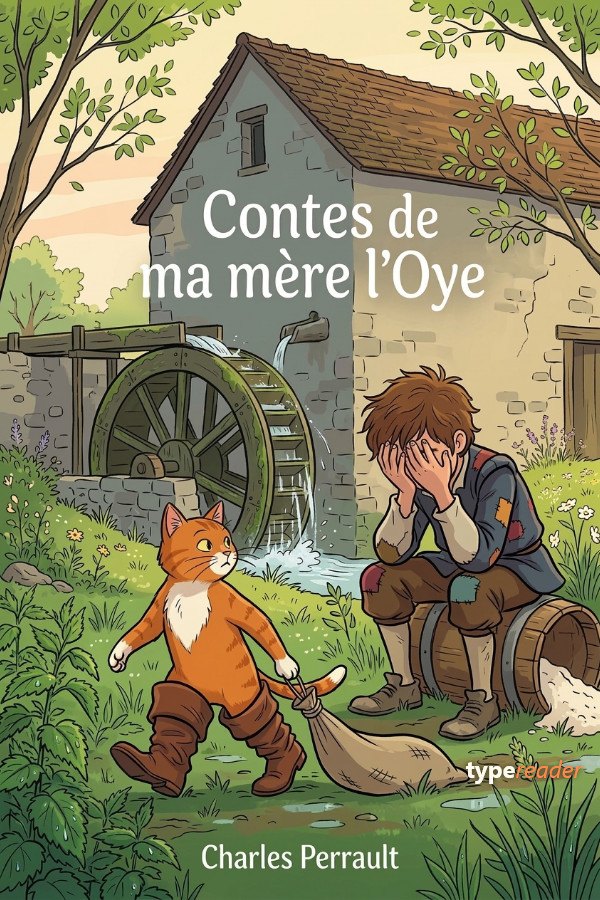
Le capitaine, à mon sens, a trop dit, ou il a dit trop peu.
In my view, the captain has said either too much or too little.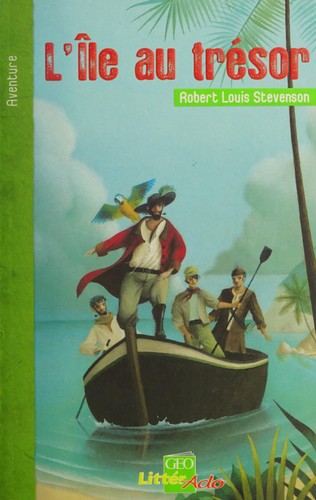
— Il faut que je me repose un peu, dit-il, je n’en puis plus.
“I must rest a little,” he said, “I can't go on.”
Quand elle revint un peu à elle, elle était seule sur le port avec l'inconnu.
When she came to herself a little, she was alone on the quay with the stranger.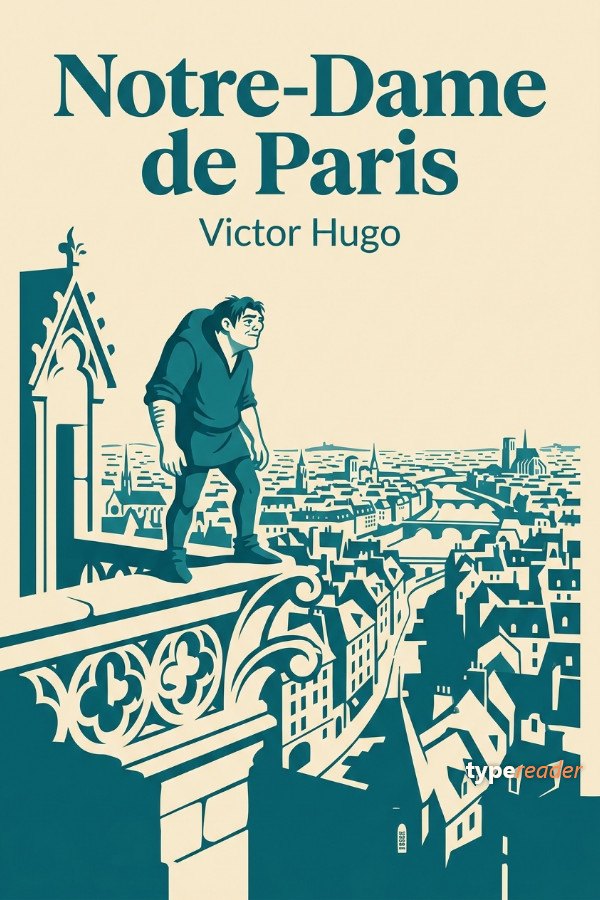
Comme il faut peu de chose pour vous perdre ou vous sauver !
How little it takes to ruin you or save you!
Il s'agit d'un gentleman, grand, froid, peu communicatif, accompagné d'une jeune dame...
It is a gentleman, tall, cold, not very talkative, accompanied by a young lady...
In modern texts
Collocations
peu + adjective
- peu connulittle known
- peu probableunlikely
- peu nombreuxfew in number
- peu commodeawkward; difficult
un peu + …
- un peu dea little (of)
- un peu plusa little more
- un peu tropa bit too much
- un petit peua tiny bit
Set expressions
- peu à peulittle by little
- quelque peusomewhat
- sous peushortly
- depuis peurecently
- peu importenever mind, no matter
- pour peu queif only, however little
- pour un peuvery nearly
- peu de chosenot much, a trifle
- tant soit peuever so little
- à peu de chose prèsmore or less
Watch out
“J'ai peu de temps” is “I have little time” (hardly any), while “J'ai un peu de temps” is “I have a little time” (some). Like little and a little in English.
 Jean-Christophe1,018 times
 Le Vicomte de Bragelonne815 times
 Les Misérables738 times
 Les Confessions594 times
 Le Comte de Monte-Cristo516 times