 dictionaryBooks
temps
[tɑ̃]Meanings 8
In short
Weather takes the verb faire: “Il fait beau temps”, “Quel temps fait-il ?”.
The word doesn't change in the plural: le temps, les temps. The final p and s are silent: [tɑ̃].
“For a long time” is one word, longtemps: “Il est resté longtemps” (He stayed a long time).
In books
Arsène Lupin ne reste en prison que le temps qu'il lui plaît, et pas une minute de plus.
Arsène Lupin stays in prison only as long as he pleases, and not a minute longer.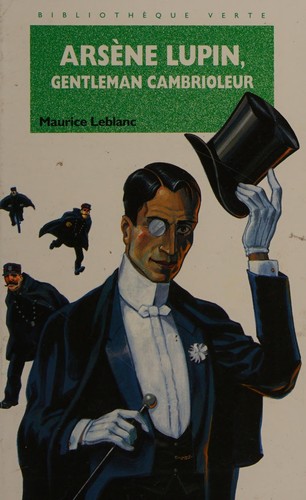
D'ailleurs, nous n'arriverions pas à temps, car il y a seize cent cinquante milles de Hong-Kong à Yokohama.
Besides, we would not arrive in time, for it is sixteen hundred and fifty miles from Hong Kong to Yokohama.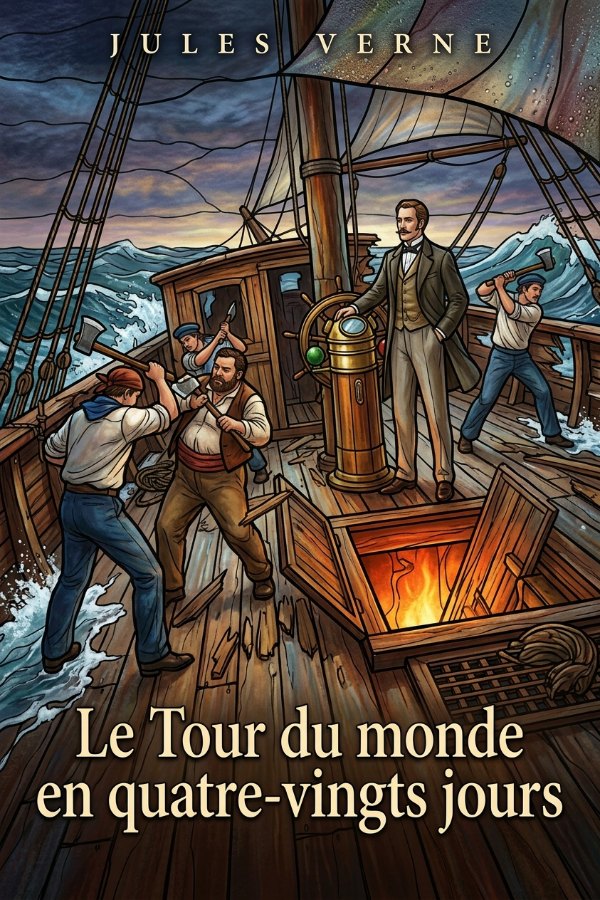
Quand le temps était clair, on s'en allait de bonne heure à la ferme de Geffosses.
When the weather was clear, they would set off early for the farm at Geffosses.
Qui n’a pas vu Avignon du temps des Papes, n’a rien vu.
Whoever has not seen Avignon in the time of the Popes has seen nothing.Contre l’habitude, ce fut Fritz qui se rendit le premier aux raisonnements de ses parents, qui lui faisaient observer qu’il était temps de se coucher.
For once it was Fritz who gave in first to his parents' reasoning when they pointed out that it was time for bed.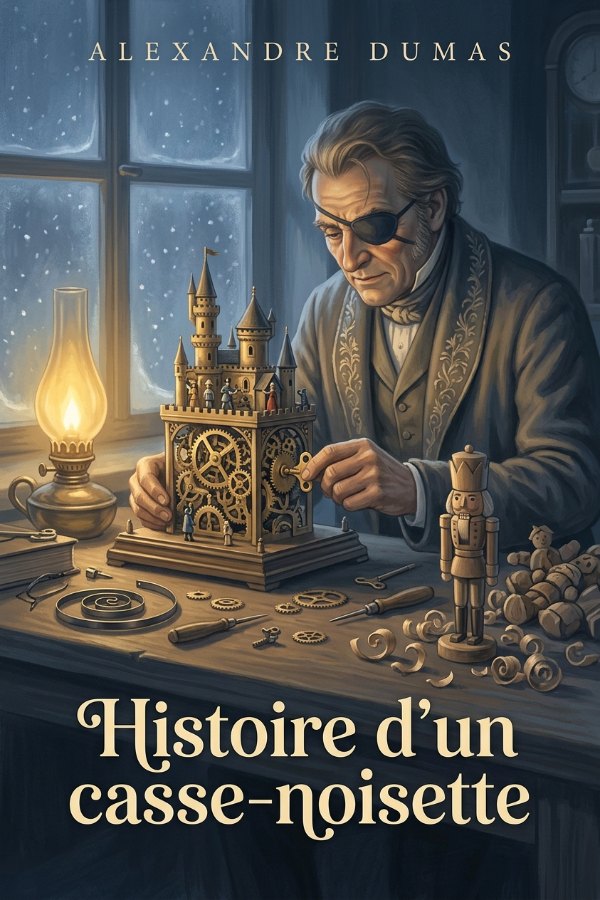
In modern texts
Collocations
verb + temps
- avoir le tempsto have time
- perdre son tempsto waste one's time
- passer le tempsto pass the time
- tuer le tempsto kill time
- gagner du tempsto save time; to play for time
- trouver le temps deto find time to
- prendre son tempsto take one's time
Weather
- beau tempsfine weather
- mauvais tempsbad weather
- temps couvertovercast weather
- gros tempsheavy weather (at sea)
- un temps de chienfilthy weather (informal)
How long
- quelque tempsfor a while
- peu de tempsa short time
- combien de tempshow long
- depuis le tempsafter all this time
- en peu de tempsin a short time
Set expressions
- de temps en tempsfrom time to time
- de temps à autrenow and then
- pendant ce tempsmeanwhile
- entre-tempsin the meantime
- tout le tempsall the time
- la plupart du tempsmost of the time
- à tempsin time
- juste à tempsjust in time
- dans les tempson schedule
- en temps vouluin due course
- dans le tempsin the old days
- en ce temps-làin those days
- du temps dein the days of
- de tout tempsfrom time immemorial
- avec le tempsin time, with time
- ces derniers tempslately
- par les temps qui courentthese days
- le bon vieux tempsthe good old days
- il est grand tempsit's high time
- il n'y a pas de temps à perdrethere's no time to lose
- en deux temps, trois mouvementsin no time
- à plein tempsfull-time
- à mi-tempspart-time
- temps librefree time
- le temps, c'est de l'argenttime is money
Watch out
Clock time is heure: “Quelle heure est-il ?” (What time is it?). A “time” you count is fois: “trois fois” (three times). Temps won't do here.
They sound the same, [tɑ̃]: temps “time”, tant “so much”, taon “horsefly”, and also il tend “he holds out”. Only the meaning tells them apart.
English tempo (speed, pace) is rythme or cadence in French. Temps means “time” or “weather”.
 Le Vicomte de Bragelonne644 times
 Jean-Christophe619 times
 Les Misérables607 times
 Le Comte de Monte-Cristo496 times
 Les Confessions449 times