French · typereader
Best French Books for Beginners
Real French classics, graded easiest-first, that you can actually finish at A1–A2.
The best first book in French is a short one with simple sentences and a story you already half-know. That is why fairy tales and fables work so well: Charles Perrault's contes - Le Petit Chaperon Rouge (Little Red Riding Hood), Cendrillon (Cinderella), Le Chat botté (Puss in Boots) - use plain past tenses and repeat the same words, so the language teaches itself as you read. Jean de La Fontaine's fables, like Le Corbeau et le Renard, are just a page long and end with a clear moral, which makes them ideal for a first read-through. From there, gentle short stories by writers such as Alphonse Daudet ease you toward longer texts.
What makes a French book beginner-friendly is short sentences, everyday vocabulary, lots of repetition, and dialogue rather than dense description. The list below is graded easiest-first (A1 at the top, moving up through A2), so you can start at the very top and let the difficulty rise only as fast as you are comfortable. Every title opens straight in the reader.
Easiest books first
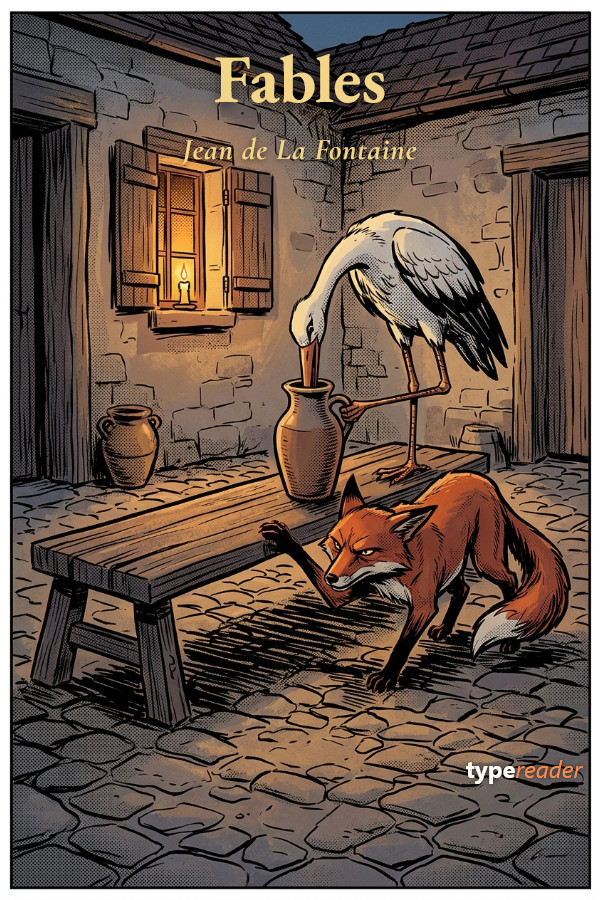 A1FablesJean de La Fontaine
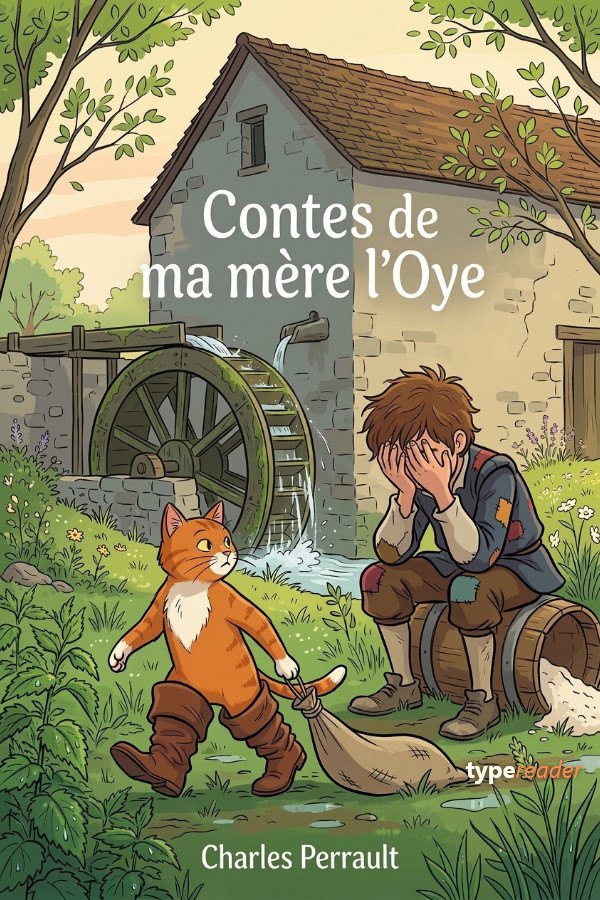 A1Contes de ma mère l'OyeCharles Perrault
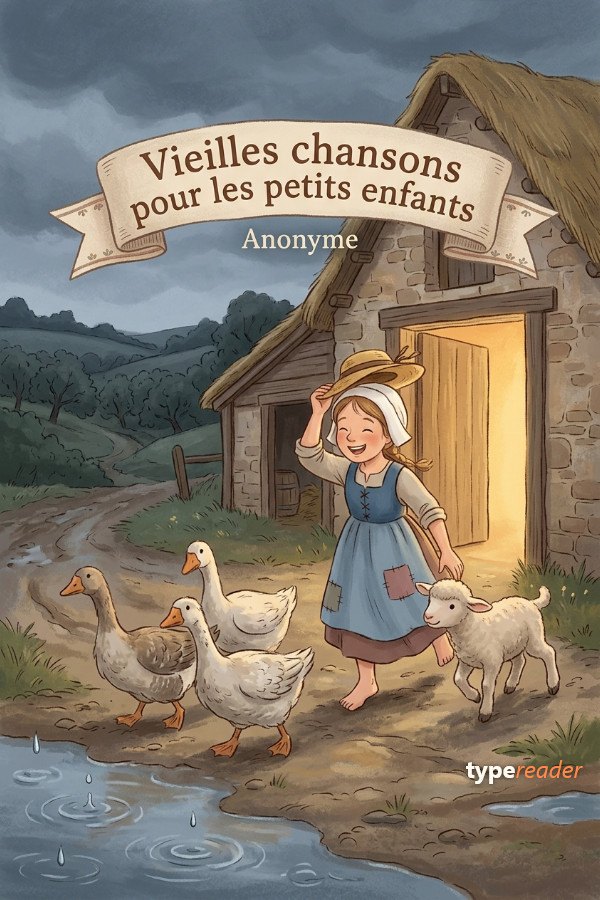 A1Vieilles chansons pour les petits enfantsAnonyme
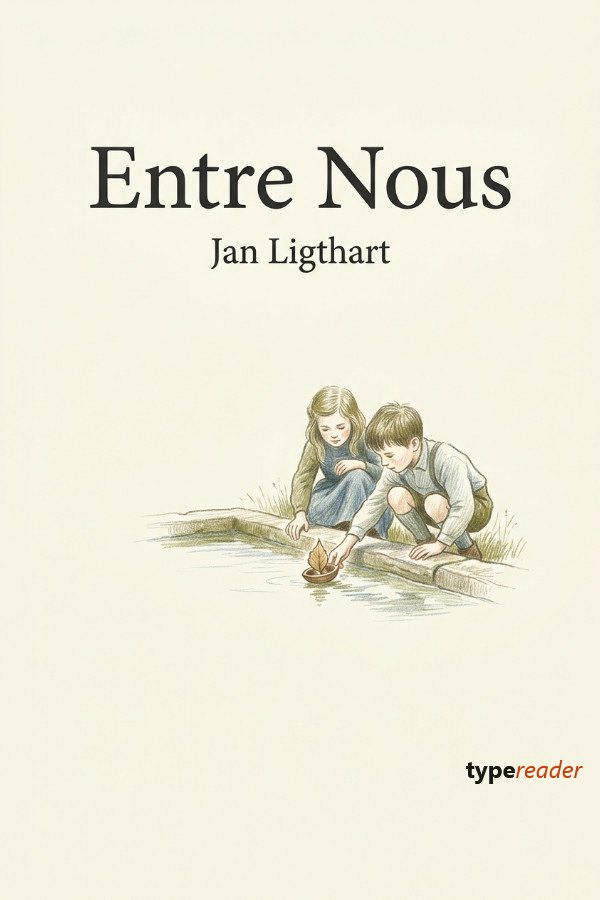 A1Entre NousJan Ligthart
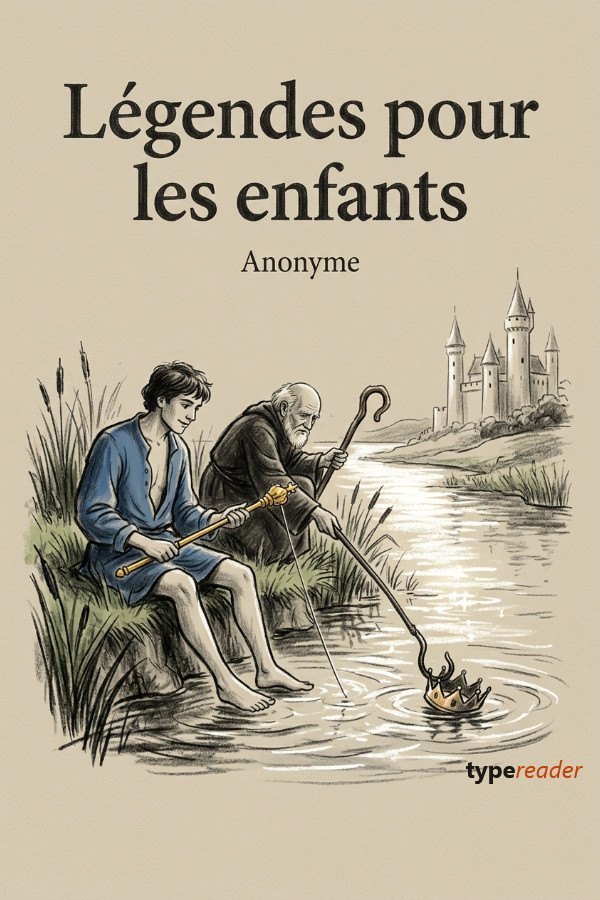 A1Légendes pour les enfantsAnonyme
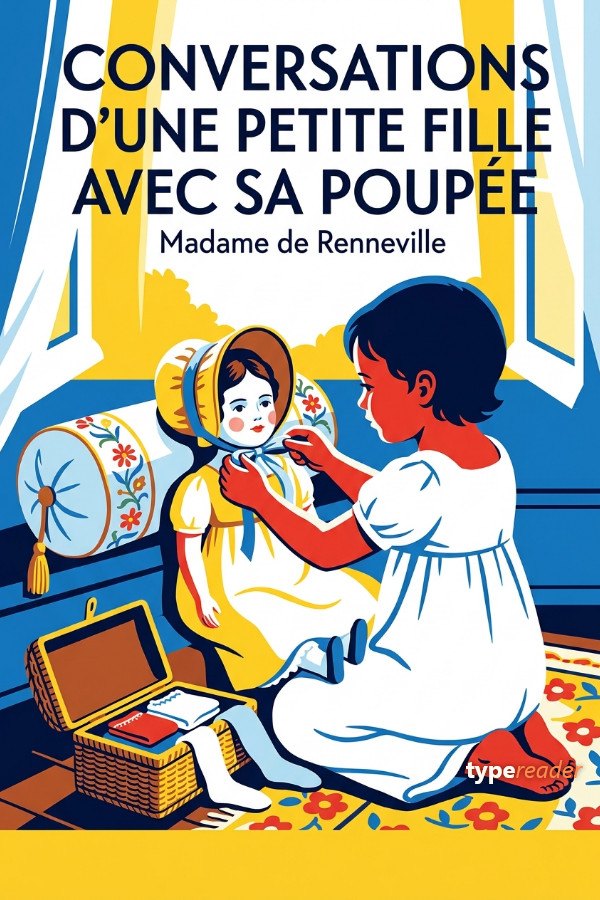 A1Conversations d'une petite fille avec sa poupéeMadame de Renneville
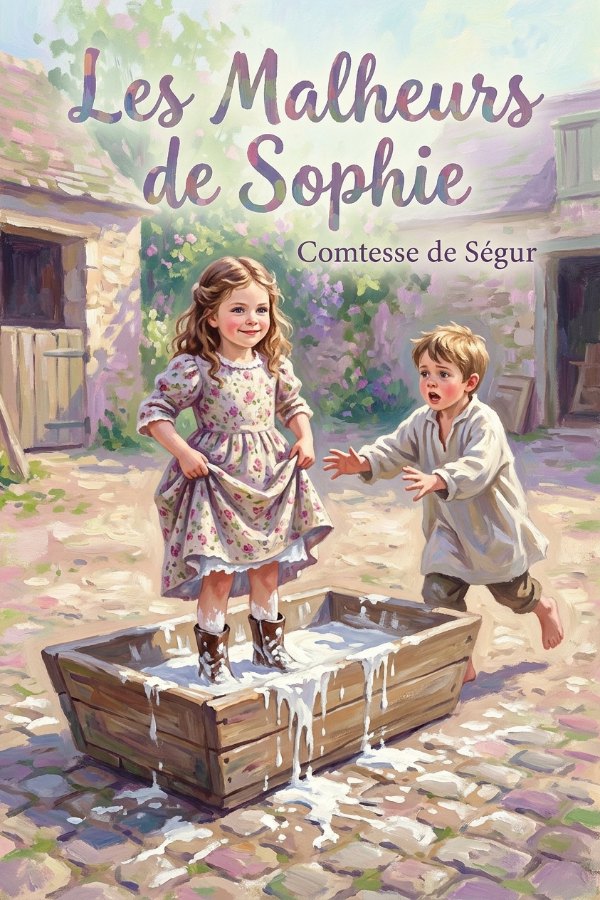 A1Les Malheurs de SophieComtesse de Ségur
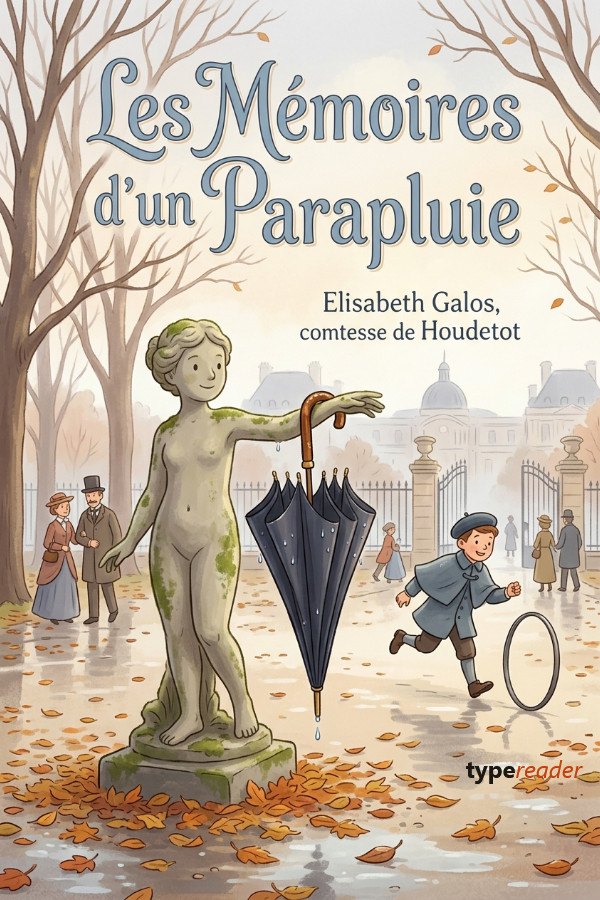 A2Les Mémoires d'un ParapluieElisabeth Galos, comtesse de Houdetot
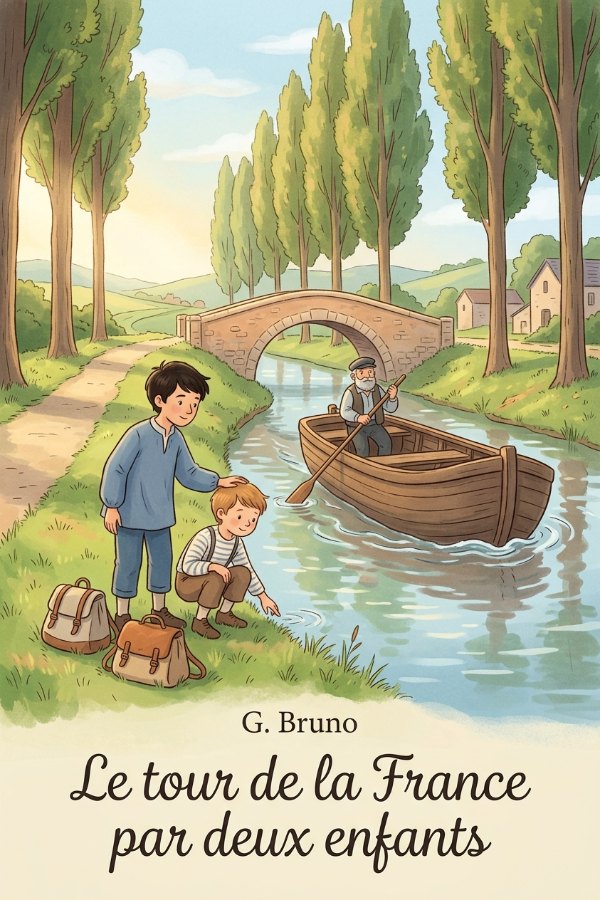 A2Le tour de la France par deux enfantsG. Bruno
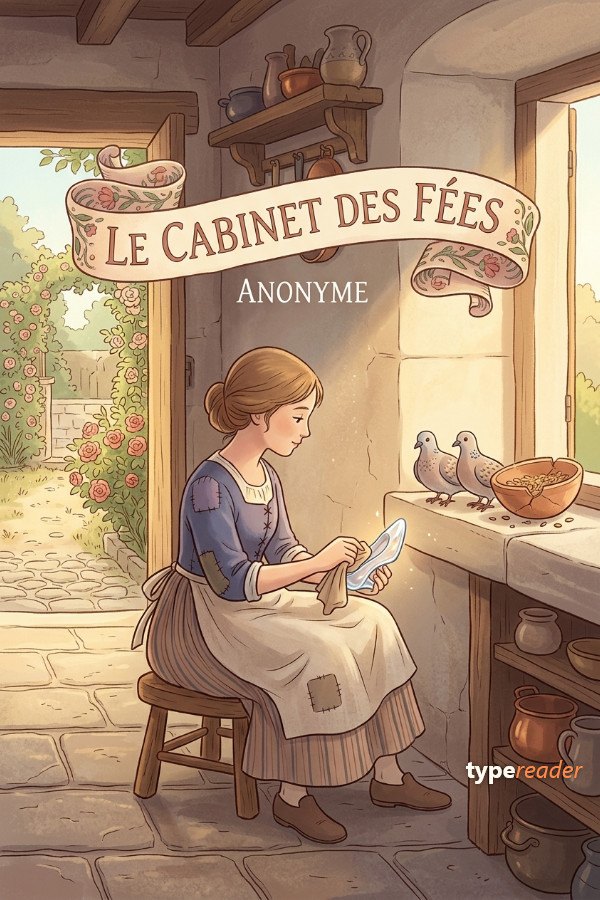 A2Le Cabinet des FéesAnonyme
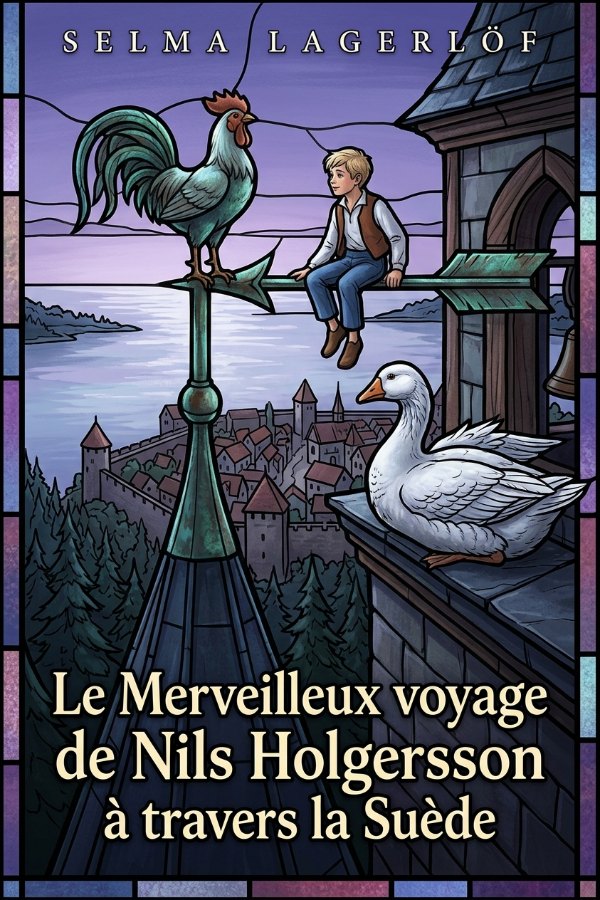 A2Le Merveilleux voyage de Nils Holgersson à travers la SuèdeSelma Lagerlöf
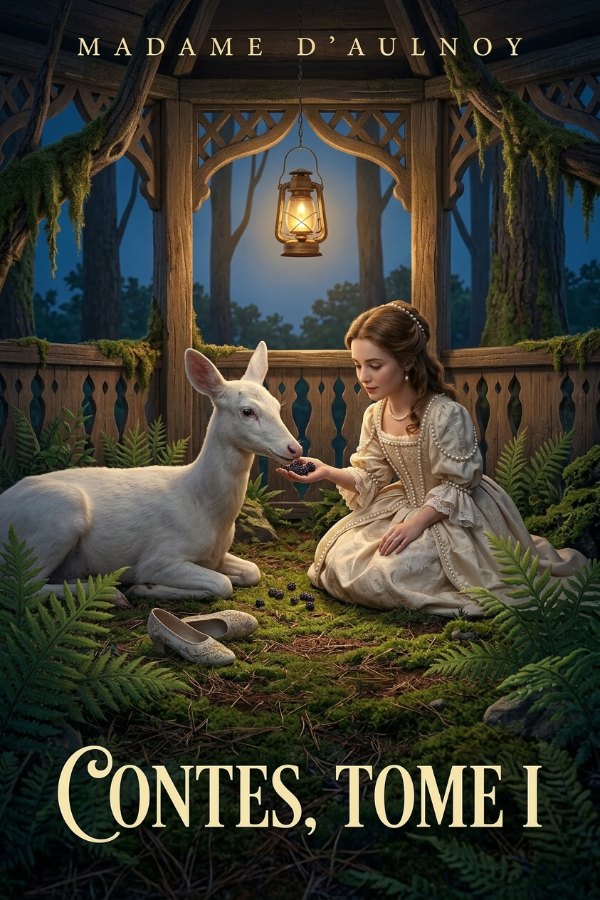 A2Contes, Tome IMadame d' Aulnoy
How to read this list
Read a little every day rather than a lot once a week - ten minutes beats a marathon. · Tap any word you don't know for an instant translation instead of stopping or reaching for a dictionary, and save the ones worth keeping to spaced-repetition review. · Let the word-synced audio carry you so you hear real French rhythm, re-read a chapter you liked, and resist translating every single word - understanding the gist is enough at first.
FAQ
What is the easiest book to start reading in French?
For most A1 beginners the easiest starting points are Charles Perrault's fairy tales (Le Petit Chaperon Rouge, Cendrillon) and Jean de La Fontaine's short fables. They are only a page or two long, use simple past tenses, repeat vocabulary, and tell stories you probably already know in English, so you can follow the meaning even when some words are new. On typereader these are graded A1–A2 and sit at the top of the beginner list.
How many French words do I need to know to read my first book?
You can start your first graded French book with almost no vocabulary, because you tap any unknown word for an instant translation as you go. To read comfortably without tapping constantly, roughly 500–1,000 of the most common French words covers most of a simple fairy tale or fable. Reading itself is the fastest way to build that base, and saved words go into spaced-repetition review.
Should I read French books above my level?
A little above your level is good; far above it is discouraging. The ideal book is one where you understand most sentences and have to look up only a handful of words per page. That is why the list is graded easiest-first: start at the top at A1, and move up to A2 and beyond only when the current level feels easy. Tap-to-translate and audio let you stretch slightly higher than you could unaided.
Is it free to read French books on typereader?
Yes. typereader is a free, ad-free web app for learning languages by reading real public-domain books. Every French title on this page opens straight in the reader, where you can tap words for translations, save them to spaced-repetition review, export to Anki, and listen to word-synced audio. It works offline in your browser, so there is nothing to install.
More reading lists
Pick the first title on the list and start reading - tap any word you don't know, and let the story pull you into French.
Start reading →