 dictionaryBooks
côté
[ko.te]Meanings 6
In short
“À côté” means “nearby, next door”: “la maison d'à côté” (the house next door). “À côté de” means “next to” and also “compared with”: “à côté de lui, je suis riche” (compared with him, I'm rich).
“Du côté de” means “towards, in the area of”: “il partit du côté de la ville”. “De ce côté” is “this way”, “de tous côtés” is “on all sides, everywhere”.
“De mon côté”, “de son côté” mean “for my part, for his part”: “de son côté, il se tut”. “Du côté de sa mère” is “on his mother's side”.
“D'un côté…, de l'autre (d'un autre côté)…” is “on the one hand…, on the other…”. “Mettre de côté” is “to put aside, to save”, “laisser de côté” is “to leave aside”.
Forms
In books
L'homme au manteau s'alla mettre en observation sous un porche de l'autre côté de la rue.
The man in the cloak took up his watch under a porch on the other side of the street.
Étienne, se calmant, prit une chaise et s'accouda de l'autre côté de la table.
Étienne, calming down, took a chair and leaned his elbows on the other side of the table.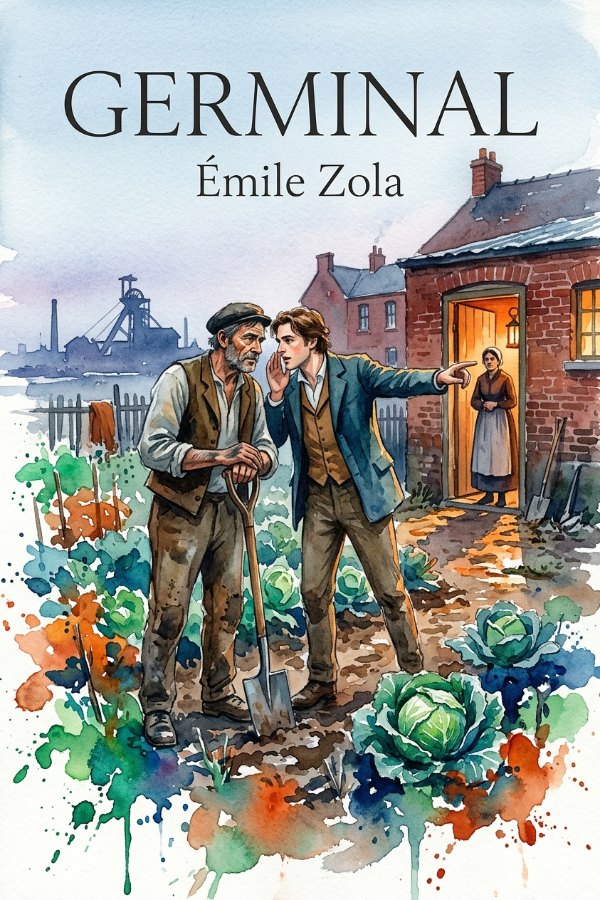
Mais il tint bon jusqu’au camp où son conducteur lui fit une place à côté du feu.
But he held out as far as the camp, where his driver made a place for him beside the fire.
La douleur est toujours à côté de la joie, le spondée auprès du dactyle.
Sorrow is always next to joy, the spondee beside the dactyl.Quand il reprit connaissance, il était étendu sur un divan, la Fée à ses côtés.
When he came to, he was lying on a sofa with the Fairy at his side.
— Je vois, répondit-elle, deux cavaliers qui viennent de ce côté ; mais ils sont bien loin encore.
“I see two horsemen coming this way,” she answered, “but they are still a long way off.”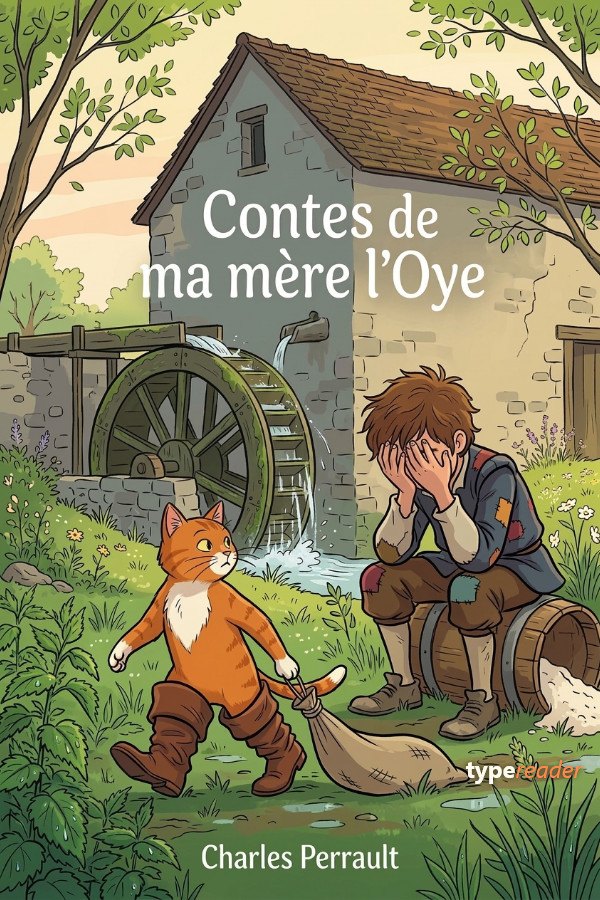
— Sire, je crois, j'ai tout lieu de croire qu'un orage se forme du côté du Midi.
Sire, I believe, I have every reason to believe that a storm is gathering in the south.
Les derniers Indiens disparaissaient alors dans le sud, du côté de Republican-river.
The last of the Indians were then vanishing to the south, towards the Republican River.
Il se tournait et se retournait, demeurait cinq minutes sur le dos, puis se plaçait sur le côté gauche, puis se roulait sur le côté droit.
He tossed and turned, lay on his back for five minutes, then turned onto his left side, then rolled over onto his right.
C'était faire de nécessité vertu et prendre la chose du bon côté.
It was making a virtue of necessity and looking on the bright side.
D’un autre côté, il y a une chose bien étonnante : comment des gens qui ne sont pas riches ont-ils dépensé tant d’argent pour retrouver un enfant ?
On the other hand, there's something very strange: how could people who aren't rich have spent so much money to find a child?
Cette tante, restée fille, était fort riche du côté maternel, et le fils de sa soeur était son héritier naturel.
This aunt, who had never married, was very rich on her mother's side, and her sister's son was her natural heir.

In modern texts
Un vieil homme s'est assis à côté de moi dans le bus.
An old man sat down next to me on the bus.TatoebaCollocations
adjective + côté
- l'autre côtéthe other side
- le bon côtéthe good side, the bright side
- le mauvais côtéthe bad side
côté + adjective
- côté gaucheleft side
- côté droitright side
verb + côté
- s'asseoir à côté deto sit down next to
- se ranger du côté deto side with
- regarder de tous côtésto look all around
Set expressions
- à côténearby, next door
- à côté denext to; compared with
- de l'autre côté deon the other side of, across
- du côté detowards; near, around
- de tous côtéson all sides, everywhere
- d'un côté…, de l'autre…on the one hand…, on the other…
- de son côtéfor his part
- mettre de côtéto put aside, to save
- laisser de côtéto leave aside
- regarder de côtéto look sideways at
- passer à côté deto miss, to pass by
- un point de côtéa stitch (in one's side)
- voir le bon côté des chosesto look on the bright side
Watch out
“Le côté” (side) and “la côte” (rib; coast; slope) differ in gender and in the é: “la Côte d'Azur” (the Riviera), “une côte de bœuf” (a rib of beef).
“À côté” can also mean “wide of the mark”: “il a tiré à côté” is “he missed”, “répondre à côté” is “to give an answer that misses the point”.
 Guerre et Paix556 times
 Le Vicomte de Bragelonne338 times
 Jean-Christophe268 times