 dictionaryBooks
porter
[pɔʁ.te]Meanings 8
In short
“Porter” means both “to carry” and “to wear”: “il porte un sac” (he is carrying a bag), “il porte des lunettes” (he wears glasses). The object tells you which.
“Se porter bien, mal” means “to be well, unwell”: “comment vous portez-vous ?” (how are you?), “je me porte à merveille” (I'm in excellent health). “Bien portant” means “healthy”.
“Porter la main à” is “to put one's hand to”: “il porta la main à son front”. “Tous les regards se portèrent sur lui” means “all eyes turned to him”. “Porter un verre à ses lèvres” is “to raise a glass to one's lips”.
“Porter malheur” is “to bring bad luck”, “porter bonheur” and “porter chance” “to bring good luck”, hence “un porte-bonheur”, a lucky charm. The verb starts many compounds: porte-monnaie (purse), porte-parole (spokesperson), prêt-à-porter (ready-to-wear).
Forms
Présent
- jeporte
- tuportes
- ilporte
- nousportons
- vousportez
- ilsportent
Imparfait
- jeportais
- tuportais
- ilportait
- nousportions
- vousportiez
- ilsportaient
Passé simple
- jeportai
- tuportas
- ilporta
- nousportâmes
- vousportâtes
- ilsportèrent
Futur simple
- jeporterai
- tuporteras
- ilportera
- nousporterons
- vousporterez
- ilsporteront
In books
Ils étaient noirs comme de l’encre et portaient sur leurs épaules un petit cercueil.
They were as black as ink and carried a little coffin on their shoulders.
Le gardien portait un trousseau de clefs et un revolver.
The guard carried a bunch of keys and a revolver.
Ce jeune homme portait une superbe redingote de velours rouge, brodé d’or, des bas de soie blancs et des souliers lustrés avec le plus beau vernis.
The young man wore a superb frock coat of red velvet embroidered with gold, white silk stockings and shoes polished with the finest varnish.
Remarquez bien que les nez ont été faits pour porter des lunettes; aussi avons-nous des lunettes.
Observe that noses were made to wear spectacles, and so we have spectacles.
Puisque la restauration me conteste ce titre que j’ai payé de mon sang, mon fils le prendra et le portera.
Since the Restoration disputes this title, which I paid for with my blood, my son shall take it and bear it.
Mais finissons: voici ma carte, portez-la à votre maître.
But enough: here is my card, take it to your master.
La bonne lui donna un petit mouchoir à ourler et lui dit de le porter à sa maman, qui voulait la faire travailler.
The nurse gave her a little handkerchief to hem and told her to take it to her mother, who wanted to set her to work.
Ma soeur, lui dit Progné, comment vous portez-vous?
“Sister,” Progne said to her, “how are you keeping?”
Il se portait bien, il avait bonne mine; sa réputation était établie tout à fait.
He was in good health and looked well; his reputation was firmly established.
Au même instant l’apprenti porta la main à sa tête en poussant un cri de douleur.
At that very moment the apprentice put his hand to his head with a cry of pain.
Tous les regards se portèrent vers le point indiqué.
All eyes turned towards the spot he was pointing at.

— Hier, un forçat, de corvée à bord de l’Orion, en revenant de porter secours à un matelot, est tombé à la mer et s’est noyé.
Yesterday a convict working aboard the Orion fell into the sea and drowned on his way back from helping a sailor.Un quart d’heure après, réunis dans une confortable habitation de la haute ville, tous s’asseyaient devant une table abondamment servie, et la conversation porta sur les divers incidents du voyage.
A quarter of an hour later they were all gathered in a comfortable house in the upper town, sitting down to a lavishly laid table, and the talk turned to the various incidents of the voyage.Elle n’y est que lorsqu’on n’abuse pas du pouvoir : mais c’est une expérience éternelle, que tout homme qui a du pouvoir est porté à en abuser ; il va jusqu’à ce qu’il trouve des limites.
Political liberty exists in moderate states only when power is not abused; but it is an eternal experience that every man who has power is inclined to abuse it, and he goes on until he finds limits.In modern texts
Collocations
porter + noun
- porter le nom deto bear the name of
- porter une robeto wear a dress
- porter des lunettesto wear glasses
- porter une lettreto take a letter
verb + porter
- faire porterto have (something) taken, sent
- aller porterto go and take
porter + adverb
- se porter biento be well
- se porter mieuxto be better
- se porter à merveilleto be in excellent health
Set expressions
- porter malheurto bring bad luck
- porter bonheurto bring good luck
- porter secoursto come to someone's aid
- porter plainteto file a complaint
- porter un toastto propose a toast
- porter le deuilto be in mourning
- porter atteinte àto undermine, to harm
- porter ses fruitsto bear fruit
- porter aux nuesto praise to the skies
- à bout portantpoint-blank
- se porter garantto vouch for
- la nuit porte conseilsleep on it
- porter sa croixto bear one's cross
Watch out
“Porter” is to carry or take in general, “apporter” is to bring (here), “emporter” is to take away (with you). “Apportez-moi un verre” means “bring me a glass”.
“La porte” (the door) and “il porte” (he carries) are spelled alike. Look at the word before it: in “la porte s'ouvre” it is the door, in “il porte un sac” it is the verb.
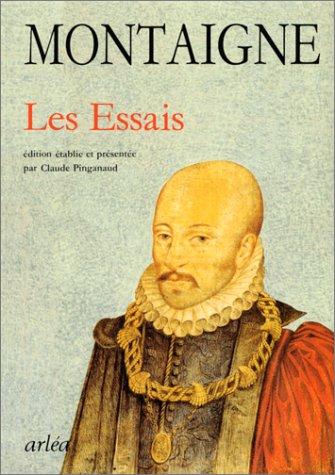 Les Essais286 times
 Le Vicomte de Bragelonne273 times
 Guerre et Paix260 times