 dictionaryBooks
eau
[o]Meanings 5
Ils se promènent au bord de l'eau.They're walking by the water.
Le vieux marin aimait l'eau-de-vie.The old sailor was fond of brandy.
In short
“Eau” is feminine: “l'eau froide”, “une eau claire”, “cette eau”. It is a single sound, [o]; the plural “les eaux” is [lezo].
As a substance it takes the partitive: “boire de l'eau” (to drink water), “il n'y a pas d'eau” (there's no water), “un verre d'eau” (a glass of water). “L'eau” is water in general or a known water: “l'eau est froide” (the water is cold).
The plural “les eaux” means the waters of a sea, river or lake (“les eaux du lac”), floodwater (“les eaux montent”, “les grandes eaux”) and a spa (“aller aux eaux”, “une ville d'eaux”). “Perdre les eaux” is “her waters broke”.
Compounds: “eau-de-vie” (brandy, spirits; plural “eaux-de-vie”), “eau de Cologne” (cologne), “eau bénite” (holy water), “eau-forte” (etching; nitric acid). At sea: “faire eau” (to leak), “une voie d'eau” (a leak), “à fleur d'eau” (just at the surface).
Forms
In books
Candide perdit connaissance, et Pangloss lui apporta un peu d’eau d’une fontaine voisine.
Candide fainted, and Pangloss brought him a little water from a nearby fountain.
Elle but une gorgée d’eau et se tourna vers la muraille.
Emma took a sip of water and turned towards the wall.
Vous n’avez qu’à aller puiser de l’eau à la fontaine, et, quand une pauvre femme vous demandera à boire, lui en donner bien honnêtement.
All you have to do is go and draw water at the spring, and when a poor woman asks you for a drink, give her some very politely.
Tout autour, l'eau calme du grand fleuve joue parmi les roseaux, et des bergeronnettes tremblent sur la crête humide des cailloux.
All around, the calm water of the great river plays among the reeds, and wagtails quiver on the wet tops of the stones.
Tout autour de sa coque, dans la nuit, l'eau chantait en fuyant comme un ruisseau de montagne.
All around the schooner's hull, in the dark, the water sang as it rushed past like a mountain stream.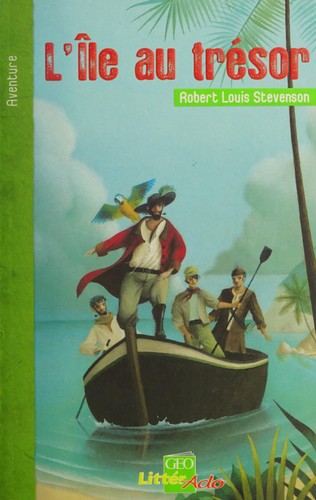
Il longea le Pré-aux-Clercs, prit le sentier désert qui le séparait du Dieu-Neuf, et arriva enfin au bord de l'eau.
Claude Frollo skirted the Pré-aux-Clercs, took the deserted path that separated it from the Dieu-Neuf, and at last reached the water's edge.
Il but une nouvelle gorgée d’eau-de-vie, et acheva de s’habiller.
Duroy took another gulp of brandy and finished dressing.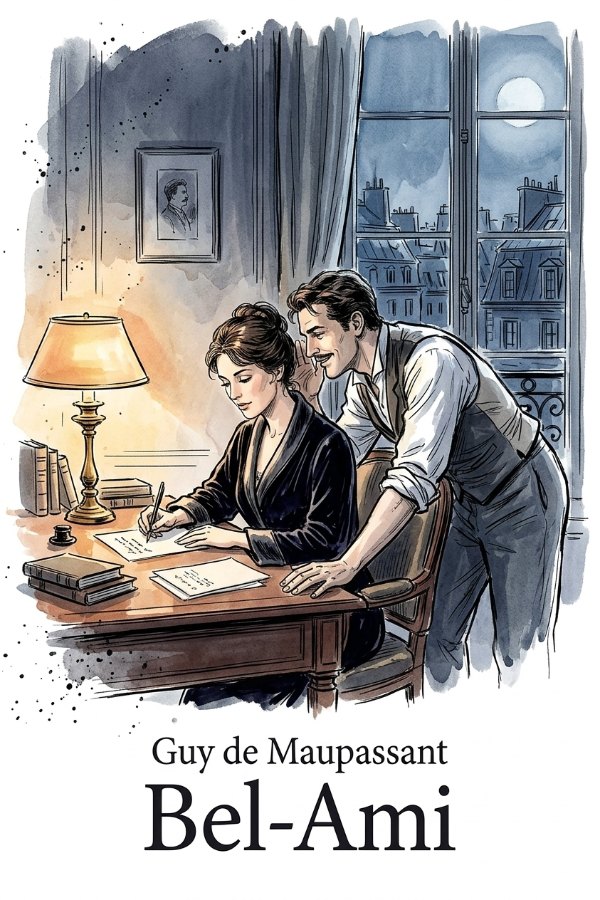
Il buvait à chaque instant du vieux vin de Collioure presque aussi fort que de l’eau-de-vie.
The bridegroom kept drinking old Collioure wine, almost as strong as brandy.
— Puis, votre duchesse est toujours aux eaux, n’est-ce pas?
And your duchess is still taking the waters, isn't she?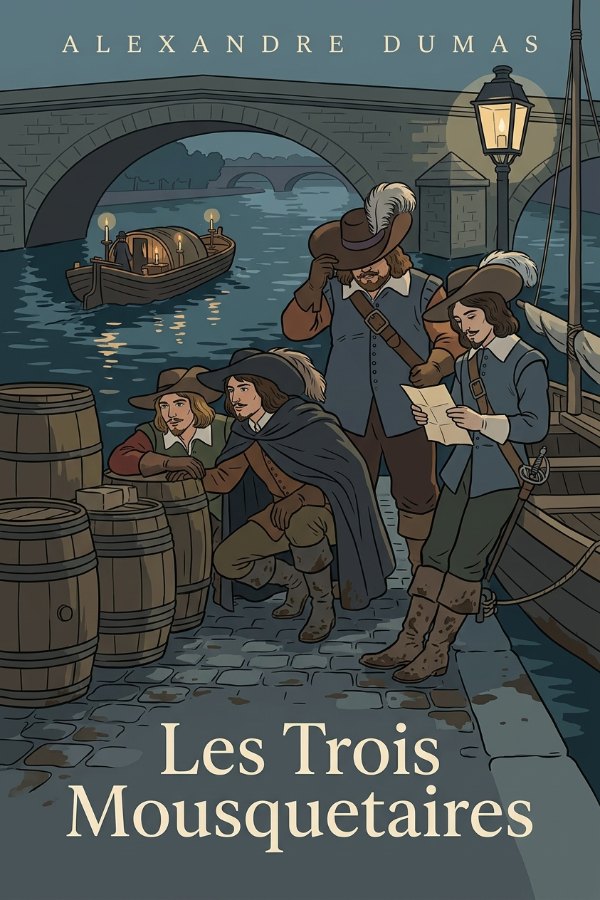
Ils allèrent à toutes les eaux du monde ; voeux, pèlerinages, tout fut mis en oeuvre, et rien n’y faisait.
The king and queen went to every spa in the world; vows, pilgrimages, they tried everything, and nothing worked.Je chancelais comme si j'avais bu; à chaque pas, je trébuchais; j'étais tout en eau, chaque poil de mon corps avait sa goutte de sueur, et je haletais de soif...
I staggered as if I had been drinking; I stumbled at every step; I was dripping with sweat, every hair on my body had its drop, and I was panting with thirst...
In modern texts
Faites cuire les pommes de terre pelées et coupées en morceaux 20 minutes à l’eau bouillante.
Cook the peeled, chopped potatoes in boiling water for 20 minutes.TatoebaCollocations
eau + adjective
- eau doucefresh water
- eau saléesalt water
- eau fraîchecool water
- eau couranterunning water
- eau béniteholy water
- eau bouillanteboiling water
noun + eau
- un verre d'eaua glass of water
- une goutte d'eaua drop of water
- un cours d'eaua watercourse
- un jet d'eaua fountain, a jet of water
verb + eau
- boire de l'eauto drink water
- puiser de l'eauto draw water
- faire bouillir de l'eauto boil water
Set expressions
- tomber à l'eauto fall into the water; to fall through
- sous l'eauunderwater
- mettre l'eau à la boucheto make one's mouth water
- à l'eau de rosesoppy, sentimental
- comme deux gouttes d'eaulike two peas in a pod
- la goutte d'eau qui fait déborder le vasethe last straw
- il n'est pire eau que l'eau qui dortstill waters run deep
- pêcher en eau troubleto fish in troubled waters
- être comme un poisson dans l'eauto be in one's element
- mettre de l'eau dans son vinto tone it down
- suer sang et eauto sweat blood
- un coup d'épée dans l'eaua wasted effort
- de la plus belle eauof the first water
- marin d'eau doucelandlubber
- au pain et à l'eauon bread and water
Watch out
“L'eau”, “au”, “aux” and “haut” all sound the same: [o]. Only meaning and spelling tell them apart: “au bord de l'eau” (by the water) is [obɔʁdəlo].
The apostrophe hides the gender, but “eau” is feminine: “une eau claire”, “cette eau”, “l'eau est froide”. Never “un eau” or “l'eau est froid”.
English took “eau de toilette” and “eau de cologne” straight from French, so you already know the word: “eau” simply means “water”.
 Vingt mille lieues sous les mers422 times
 L'Île mystérieuse333 times
 Les Enfants du capitaine Grant255 times
 La mer234 times
 Les Misérables226 times