 dictionaryBooks
maintenant
[mɛ̃.tə.nɑ̃]Meanings 6
Il était pauvre ; maintenant, il est riche.He used to be poor; now he's rich.
Maintenant que tu es là, nous pouvons commencer.Now that you're here, we can start.
In short
“Maintenant” is an adverb and never changes. It covers both “now, at this moment” and “now, unlike before”: “je suis occupé maintenant” (I'm busy now), “il est riche maintenant” (he's rich now). In speech the e is dropped: [mɛ̃tnɑ̃].
In a story told in the past, “maintenant” goes with past tenses, just like English “now”: “il savait maintenant que…” (he now knew that…), “la nuit était maintenant tombée” (night had now fallen).
“Maintenant que” takes the indicative: “maintenant que tu le sais” (now that you know), “maintenant qu'il est parti” (now that he's gone). No subjunctive here.
At the start of a sentence “maintenant” moves on to the next point or adds a reservation: “Maintenant, voyons…” (now, let's see…), “Maintenant, reste à savoir si…” (the question now is whether…). Close words: “à présent” (more literary), “actuellement” (currently), “désormais” (from now on).
In books
— Ces pièces, questionna la Fée, où sont-elles maintenant ?
“And those coins,” asked the Fairy, “where are they now?”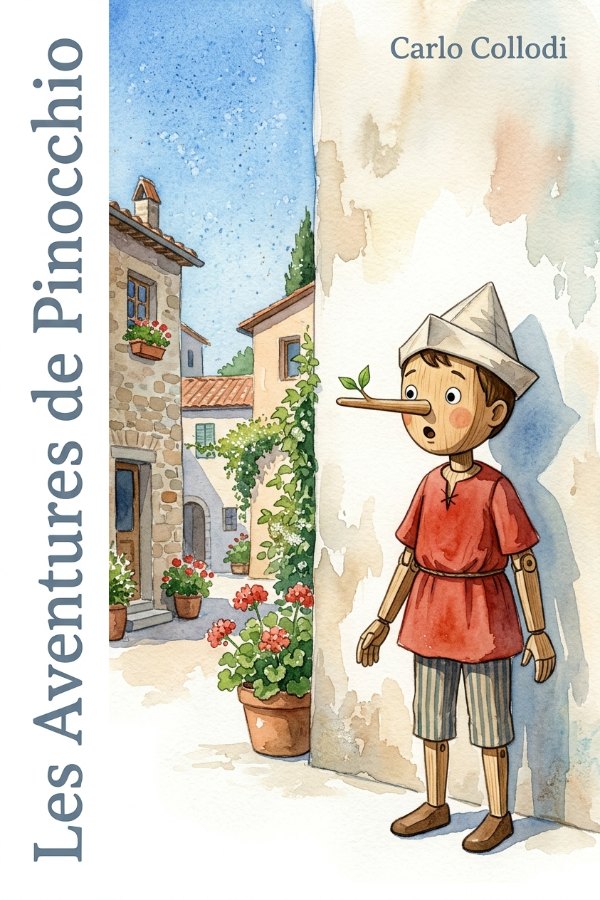
Si vous voyiez la figure que vous avez, vous ririez de vous-même comme je le fais maintenant.
If you could see your face, you would laugh at yourself, as I am doing now.

Ses cheveux, gris encore au moment de son arrivée à Arras, étaient maintenant tout à fait blancs.
Monsieur Madeleine's hair, still grey when he arrived in Arras, was now completely white.
Don Juan triomphant est terminé, maintenant je veux vivre comme tout le monde.
Don Juan Triumphant is finished; now I want to live like everybody else.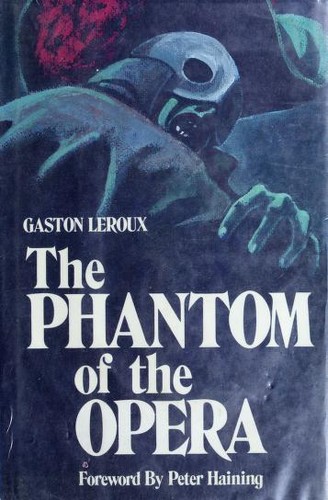
On se fait pendre maintenant pour quelques shillings!
These days people get themselves hanged for a few shillings!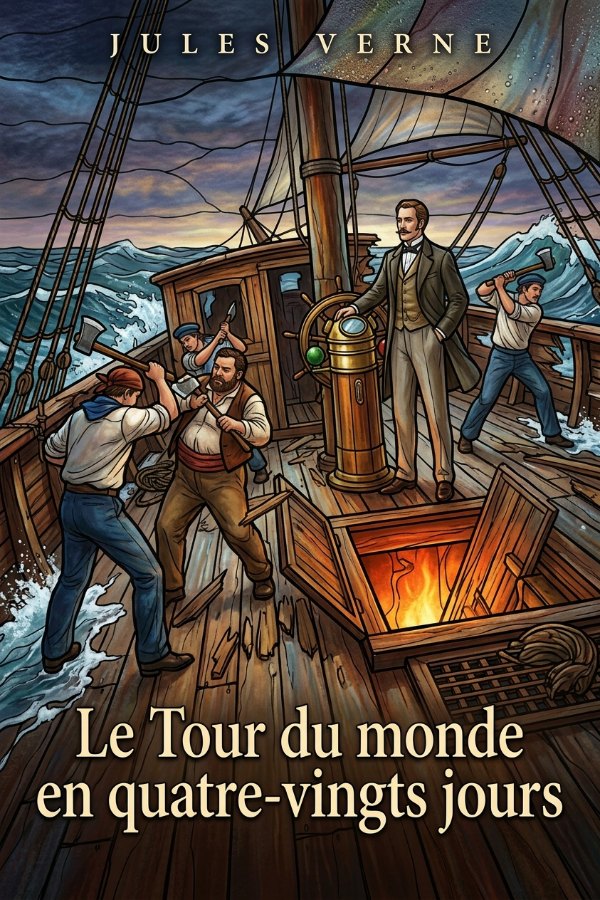

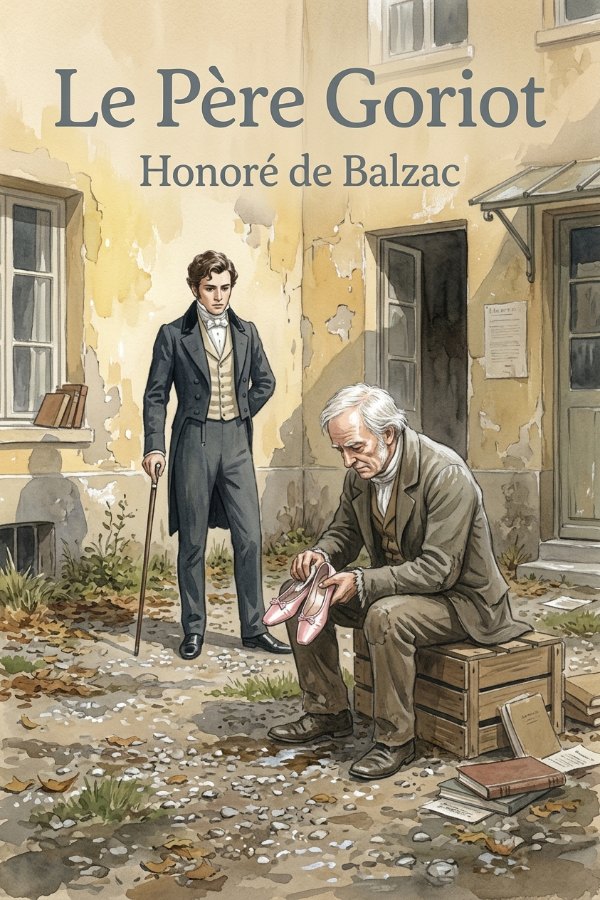
Maintenant que j’étais riche, je lui devais un cadeau.
Now that I was rich, I owed Mother Barberin a present.
Maintenant qu’il avait des rentes, il lui fallait un titre, c’était juste.
Now that he had a private income, he needed a title; that was only fair.
La prudence exige donc que dès maintenant nous ne consommions que le strict nécessaire.
Prudence therefore demands that from now on we consume only what is strictly necessary.Maintenant, reste à savoir si cinquante à soixante pistoles valent la peine de risquer quatre têtes.
Now, it remains to be seen whether fifty or sixty pistoles are worth risking four heads.
In modern texts
Je ne peux pas lui dire maintenant. Ce n’est pas si simple.
I can't tell her now. It's not that simple.TatoebaCollocations
verb + maintenant
- je comprends maintenantnow I understand
- je sais maintenantnow I know
- voyons maintenantnow let's see
adverb + maintenant
- encore maintenanteven now, still
- même maintenanteven now
- surtout maintenantespecially now
Set expressions
- maintenant ou jamaisnow or never
- ici et maintenanthere and now
- jusqu'à maintenantuntil now, so far
- et maintenant ?what now?
- à nous deux maintenant !now it's between you and me!
Watch out
“Maintenant” is also the present participle of “maintenir” (to hold, to keep): “en le maintenant contre le mur” (holding him against the wall), “le temps se maintenant au beau” (the weather staying fine). After “en” or an object pronoun it is usually the verb.
The near-synonym “actuellement” means “currently, at present”, not “actually”: “il est actuellement à Paris” (he is in Paris at the moment). “Actually” is “en fait” or “en réalité”.
 Le Comte de Monte-Cristo278 times
 Le Vicomte de Bragelonne266 times
 Jean-Christophe254 times
 Crime et Châtiment246 times
 La Case de l'oncle Tom221 times