 dictionaryBooks
enfin
[ɑ̃.fɛ̃]Meanings 4
In short
Enfin is pronounced [ɑ̃fɛ̃], with two nasal vowels. Most often it means “at last”: “il est enfin arrivé”.
At the start of a sentence, “Enfin,” often sums up or corrects: “Enfin, c'est ce qu'on dit” (well, that's what they say).
“Mais enfin !” shows impatience or indignation: “Mais enfin, laisse-moi parler !” (for heaven's sake, let me speak!). “Car enfin” means “after all”.
“Enfin bref” means “anyway, to cut a long story short”.
In books
Enfin, l’heureux jour arriva : on partit et Cendrillon les suivit des yeux le plus longtemps qu’elle put.
At last the happy day came: they set off, and Cinderella followed them with her eyes as long as she could.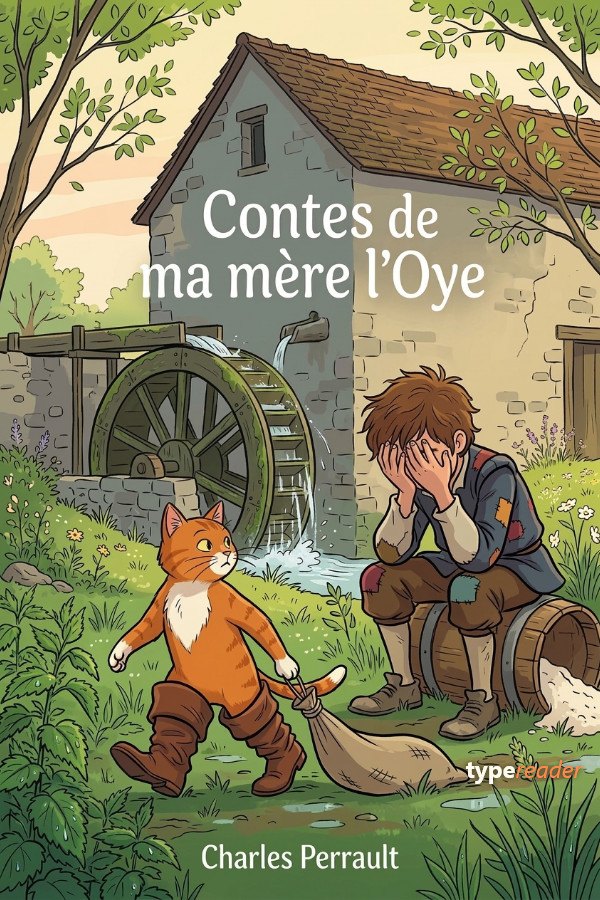
Ils sortirent enfin du bois et arrivèrent près d'un ruisseau.
At last they came out of the wood and reached a stream.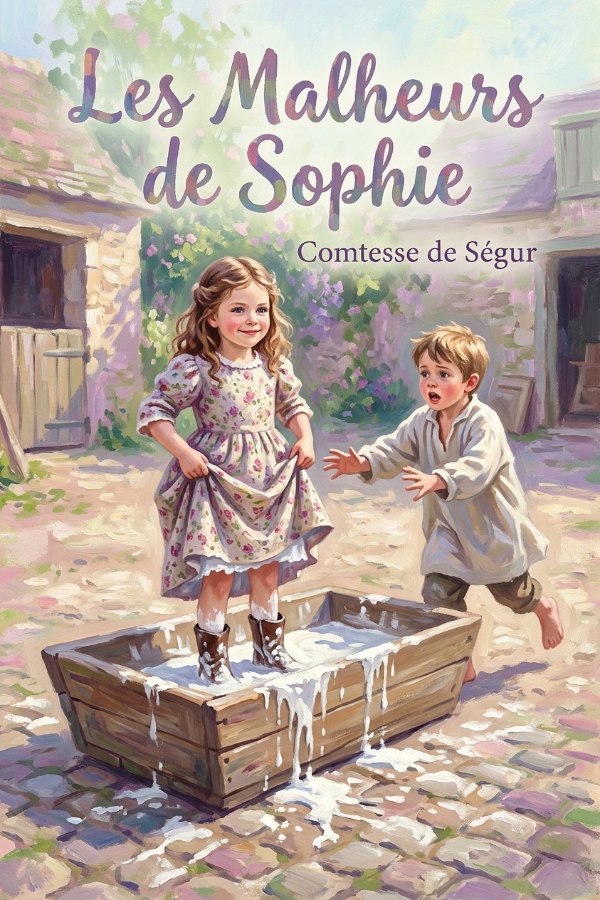
Un jour, son maître put enfin annoncer un spectacle tout à fait extraordinaire.
One day his master could at last announce a quite extraordinary show.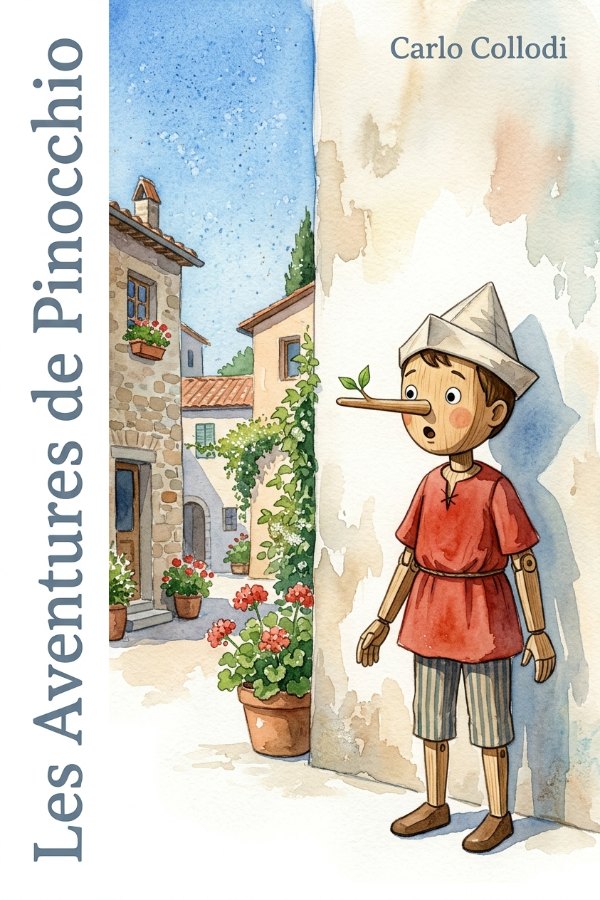
Enfin, Paul glissa sur la terre boueuse et renversa un arrosoir plein sur ses jambes.
Finally, Paul slipped on the muddy ground and tipped a full watering can over his legs.Tout en lui l’irritait maintenant, sa figure, son costume, ce qu’il ne disait pas, sa personne entière, son existence enfin.
Everything about him irritated her now: his face, his clothes, what he left unsaid, his whole person, in short his very existence.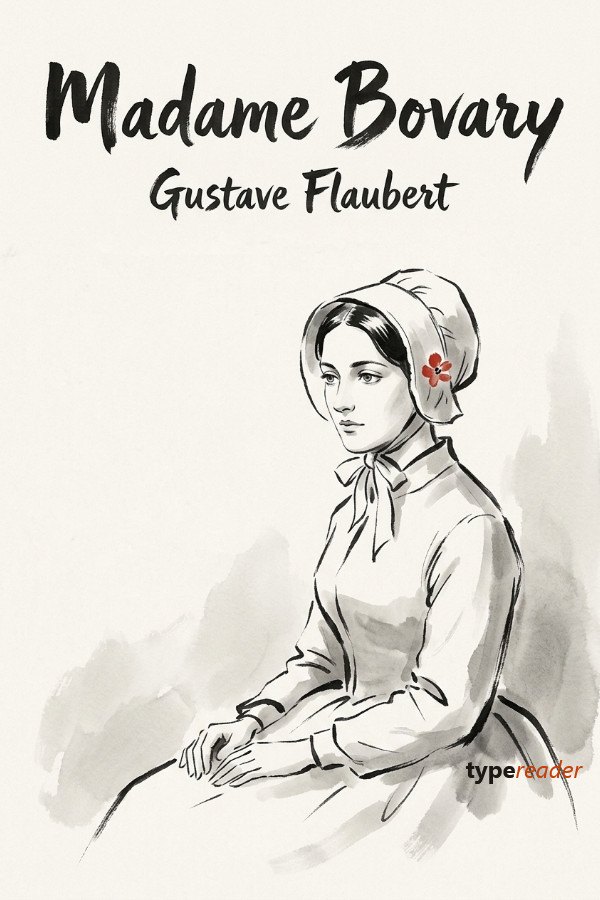
— Vous êtes venu par Meung, où il vous est arrivé quelque chose, je ne sais plus trop quoi, mais enfin quelque chose.
“You came by Meung, where something happened to you, I don't quite remember what, but something, anyway.”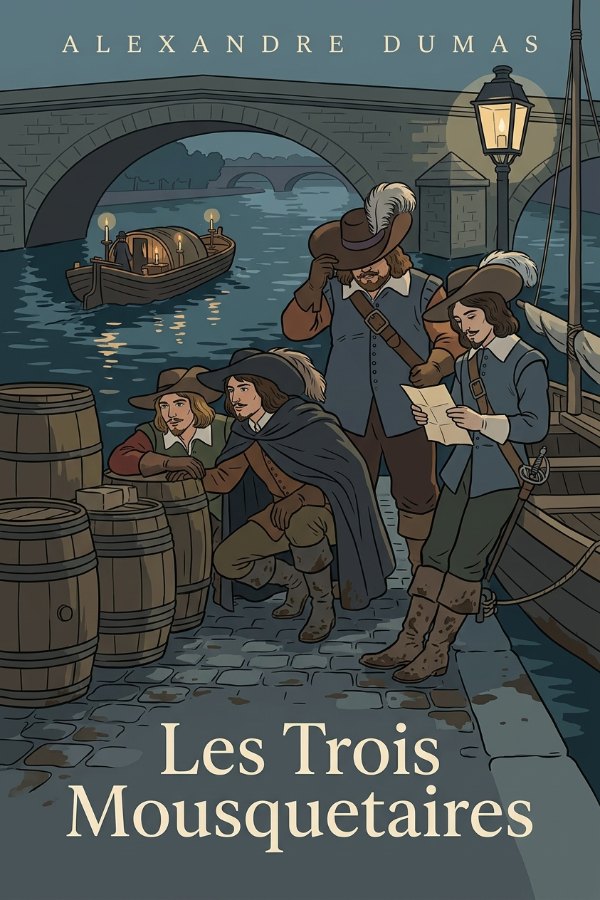
— Enfin, puisque vous ne voulez pas m'accorder davantage, je dois me contenter de ce que vous me donnez.
“Well, since you won't grant me more, I must be content with what you give me.”
La farce se prolongeant un peu trop, Richard demanda, moitié figue moitié raisin: «Mais enfin qu'est-ce qu'il veut ce fantôme-là?»
As the joke went on rather too long, Richard asked, half in jest and half in earnest: “But what on earth does this ghost want?”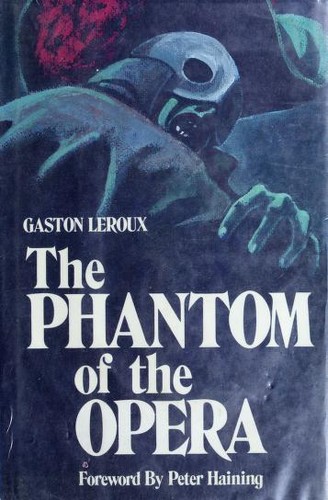
In modern texts
Collocations
verb + enfin
- arriver enfinto arrive at last
- dire enfinto say at last
- se décider enfinto make up one's mind at last
- comprendre enfinto understand at last
Set expressions
- enfin brefanyway, in short
- mais enfin !for heaven's sake!
- car enfinafter all
- enfin seuls !alone at last!
- m'enfin !come on now!
Watch out
Enfin is “at last”, with relief after waiting: “Te voilà enfin !”. Finalement is “in the end” and reports the outcome, sometimes an unexpected one: “Finalement, il n'est pas venu” (in the end he didn't come).
 Le Vicomte de Bragelonne398 times
 Les Confessions251 times
 Guerre et Paix234 times
 Illusions perdues195 times