 dictionaryBooks
maître
[mɛtʁ]Meanings 7
Maître Martin est notaire à Rouen.Maître Martin is a notary in Rouen.
Napoléon voulait être le maître de l'Europe.Napoleon wanted to be master of Europe.
Le maître corrige les cahiers des élèves.The teacher is marking the pupils' exercise books.
Il est resté maître de lui.He kept his self-control.
In short
Maître is masculine, plural “maîtres”, feminine “maîtresse”. A primary-school teacher is “le maître” or “l'instituteur”; at secondary school a teacher is a “professeur”.
“Être maître de soi” is “to be in control of oneself”, “être maître de la situation” is “to have the situation in hand”, “se rendre maître de” is “to take control of, to seize”. “Vous êtes maître de refuser” means “you are free to refuse”, and “être son maître” is “to be one's own master”.
Before the name of a lawyer or notary the French write “Maître”, abbreviated “Me”: “Maître Dupont”, and they address them that way too. In old books the title goes to craftsmen and innkeepers: “maître Pastrini”, and in La Fontaine even to animals: “Maître corbeau”, “Maître renard”.
From a servant, “mon maître” means “my master”: Sganarelle, Planchet and Passepartout all talk like this. “Cher maître” is a respectful way to address a famous writer, artist or lawyer. “Un maître Jacques”, after the servant in Molière's “L'Avare”, is a jack-of-all-trades.
Forms
In books
Il s’appelait Cacambo, et aimait fort son maître, parceque son maître était un fort bon homme.
His name was Cacambo, and he loved his master dearly, because his master was a very good man.
Il n’ajouta pas une parole et suivit Jean Valjean comme un chien suit son maître.
Fauchelevent said not another word and followed Jean Valjean as a dog follows its master.
Capi fouilla aussitôt dans la poche de la veste de son maître et en tira une corde.
Capi at once rummaged in his master's jacket pocket and pulled out a rope.
Maître corbeau, sur un arbre perché, Tenait en son bec un fromage.
Master Crow, perched up in a tree, was holding a cheese in his beak.
Elle fut stoïque, le lendemain, lorsque maître Hareng, l’huissier, avec deux témoins, se présenta chez elle pour faire le procès-verbal de la saisie.
Emma was stoical the next day when Maître Hareng, the bailiff, came to her house with two witnesses to draw up the inventory for the seizure.
— J'entends dire cela à tous les Français, dit maître Pastrini un peu piqué, ce qui fait que je ne comprends pas comment ils voyagent.
“I hear all the French say that,” said Master Pastrini, a little piqued, “which is why I don't understand how they travel at all.”
D'ailleurs, il refusait de discuter ces bêtises, il voulait être le maître chez lui.
Besides, Deneulin refused to discuss such nonsense; he wanted to be master in his own house.
Maître absolu du navire, les autorités réduites à l'impuissance, il n'avait qu'à vouloir, tout lui était permis, il disposait des biens et des existences.
Absolute master of the ship, with the authorities reduced to helplessness, Lupin had only to wish: everything was allowed him, he held property and lives in his hands.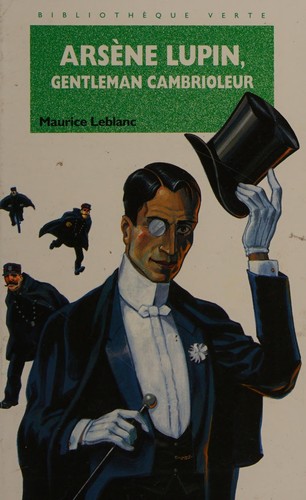
J'avais plus de penchant pour être maître d'école; il est vrai que je ne savais pas lire; mais ce n'est pas une raison.
I had more of a leaning towards being a schoolmaster; it's true I couldn't read, but that's no reason.
Phileas Fogg, aussi maître de lui que si cette condamnation ne l'eût pas concerné, n'avait pas même froncé le sourcil.
Phileas Fogg, as self-possessed as if the sentence had nothing to do with him, had not even frowned.
Cependant, les anglais, avec leur énergie accoutumée, se rendirent maîtres de la situation.
However, the English, with their usual energy, took control of the situation.
Elle y alla quelques jours après, et dit un soir à son maître d’hôtel : — Je veux manger demain à mon dîner la petite Aurore.
A few days later the queen mother went there, and one evening she said to her steward: “Tomorrow for dinner I want to eat little Aurore.”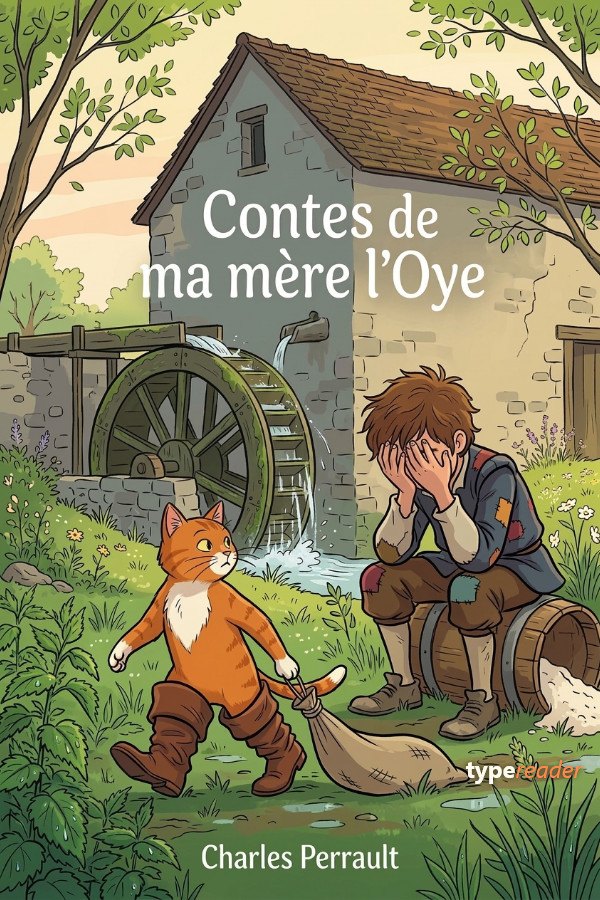
Le père Acquin était passé maître dans cet art, et jamais ses plantes n’arrivaient trop tôt ni trop tard.
Old Acquin had become a past master of this art, and his plants were never ready too early or too late.In modern texts
Collocations
adjective + maître
- bon maîtrekind master
- ancien maîtreformer master; former teacher
- cher maîtredear Maître (form of address)
- jeune maîtreyoung master
maître + adjective
- maître absoluabsolute master
verb + maître
- servir son maîtreto serve one's master
- obéir à son maîtreto obey one's master
- changer de maîtreto change masters
maître + noun
- maître d'écoleschoolmaster
- maître de musiquemusic master
- maître d'armesfencing master
- maître à danserdancing master
Set expressions
- maître d'hôtelbutler, steward; head waiter
- maître de maisonmaster of the house, host
- être maître de soito be in control of oneself
- se rendre maître deto take control of, to seize
- être son maîtreto be one's own master
- être maître chez soito be master in one's own house
- trouver son maîtreto meet one's match
- passer maître dansto become a past master at
- coup de maîtremasterstroke
- de main de maîtremasterfully
- régner en maîtreto reign supreme
- grand maîtregrand master (of an order)
- maître d'équipageboatswain
- maître de postepostmaster (at a coaching post)
- petit-maîtrefop, dandy
- maître-autelhigh altar
- maître chanteurblackmailer
Watch out
The feminine “maîtresse” is a primary-school teacher and the lady of the house (“maîtresse de maison”), but in novels it most often means a mistress, a lover: “Il avait une maîtresse”.
Three words sound the same, [mɛtʁ]: “maître” (master, teacher), “mètre” (metre), “mettre” (to put). Only the spelling tells them apart.
Maître and master both come from Latin magister and share most senses: the master of a servant or a dog, a teacher, a great artist. English has also borrowed “maître d'” for a head waiter.
 Gil Blas de Santillane417 times
 Jacques le fataliste et son maître363 times
 Le Vicomte de Bragelonne343 times
 Ivanhoé323 times
 La Case de l'oncle Tom296 times