 dictionaryBooks
seulement
[sœl.mɑ̃]Meanings 6
Il est non seulement intelligent, mais aussi généreux.He is not only clever but generous too.
C'est une belle maison ; seulement, elle est trop chère.It's a lovely house; only, it's too expensive.
In short
“Seulement” is an adverb and never changes. It is pronounced [sœlmɑ̃], the middle e drops. Its basic meaning is “only, just”: “j'ai seulement dix euros” (I only have ten euros).
In speech French often prefers “ne… que”: “je n'ai que dix euros”. “Seulement” goes after the verb or after the word it limits: “il est arrivé hier seulement” (he only arrived yesterday).
In requests “seulement” softens or urges: “dites seulement” (do tell me), “essayez seulement” (just try). At the start of a sentence it means “but, only”: “Seulement, je n'ai pas d'argent” (only, I have no money).
“Non seulement… mais (aussi, encore)” is “not only… but also”, “si seulement” is “if only”. In classic texts “ne… pas seulement” often means “not even”: “il ne m'a pas seulement regardé” (he didn't even look at me).
In books
— J'ai seulement mangé le pain des chevaux, répondit Sophie en pleurant; je l'aime tant!
“I only ate the horses' bread,” Sophie answered, crying; “I love it so much!”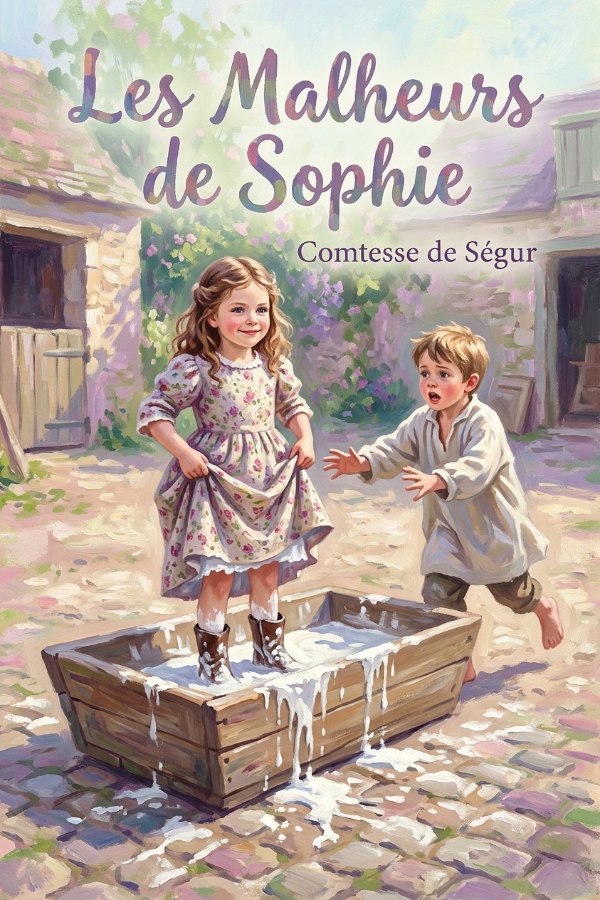
— Ce n’est pas moi, madame, qui ai vendu cette rivière ; j’ai dû seulement fournir l’écrin.
It was not I who sold that necklace, madame; I must only have supplied the case.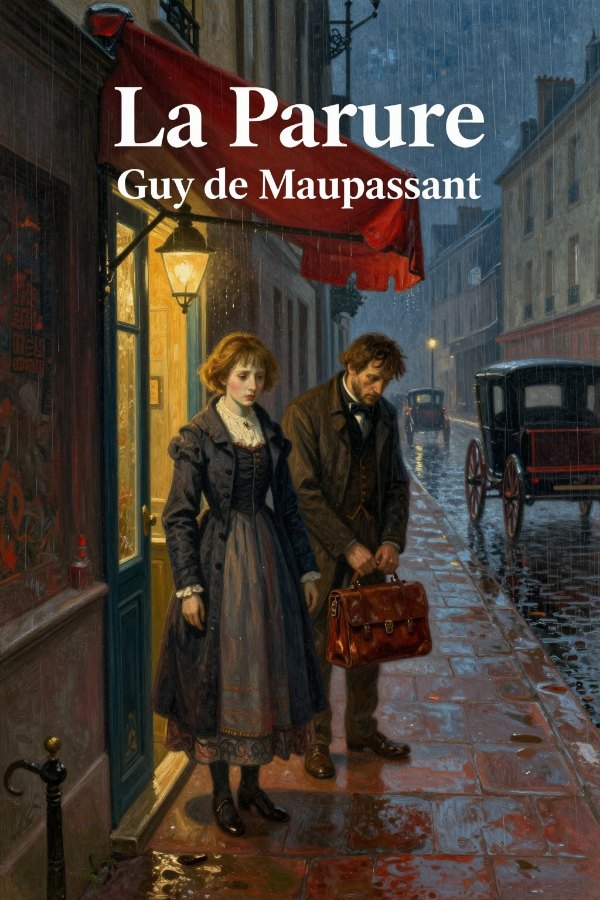
Il allait passer près d’eux, ce convoi, à quelques lieues seulement de leur maison.
It would pass near Duroy's parents, that train, only a few leagues from their house.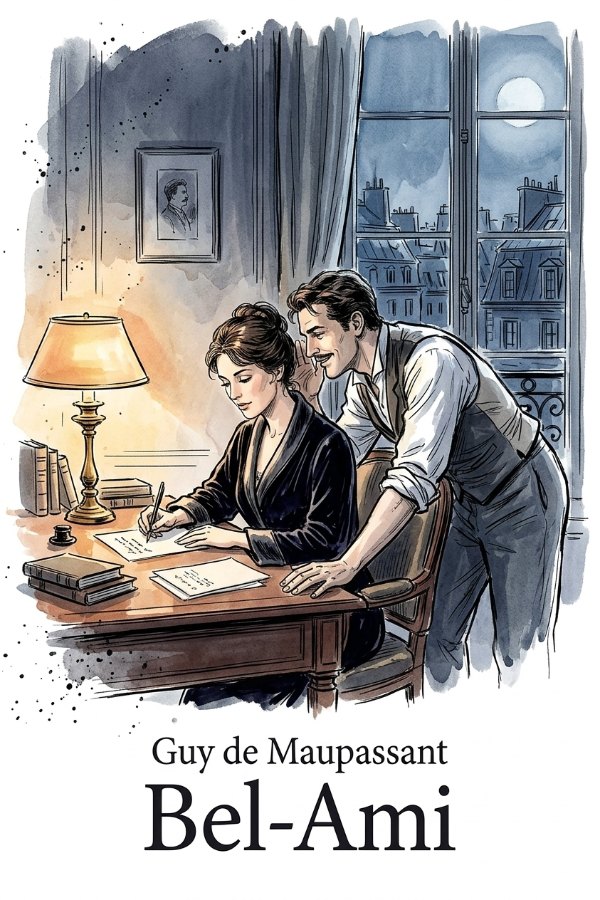
Du reste, non seulement son corps semblait s'être façonné selon la cathédrale, mais encore son esprit.
Besides, not only Quasimodo's body but his mind too seemed to have been shaped by the cathedral.
Et il apprit ainsi, non seulement que son acte était justifié, mais aussi qu'il y a dieux et dieux.
And so White Fang learned not only that his deed was justified, but also that there are gods and gods.
Seulement je n’ai pas de toilette et par conséquent je ne peux aller à cette fête.
Only, I have no dress, and so I can't go to this party.Andrea pâlit; seulement, comme il faisait nuit, personne ne le vit pâlir.
Andrea turned pale; only, as it was dark, nobody saw him turn pale.
Seulement, de ce train-là, on mettrait bien mille ans pour renouveler le monde.
Only, at that rate, it would take a good thousand years to renew the world.
À la fin du repas seulement, comme on abordait d'autres sujets, Velmont se mêla à la conversation.
Only at the end of the meal, when other subjects came up, did Velmont join in the conversation.
— Grand'mère, si seulement tu pouvais voir quelle jolie robe a Heidi et quel air elle a!
Grandmother, if only you could see what a pretty dress Heidi has on and how well she looks!
Si seulement il avait pu dormir, rien qu'une heure, sur son divan.
If only Bertin could have slept on his divan, for just an hour.
Ces vilaines gens de l'office qui ne voulaient pas seulement me donner une orange et deux biscuits!
Those horrid pantry people who wouldn't even give me an orange and two biscuits!
In modern texts
Collocations
verb + seulement
- dites seulementdo tell me
- je veux seulementI only want
- il faut seulementall you need is
seulement + noun
- seulement quelques joursonly a few days
- seulement deux foisonly twice
Set expressions
- seulement voilàthe trouble is
- pas seulementnot only (in classics: not even)
- seulement sionly if
- si et seulement siif and only if
Watch out
“Seul” is an adjective and agrees: “une seule fois” (just once), “elle est seule” (she is alone). “Seulement” is the adverb: “elle est venue seulement une fois” (she only came once).
Today “pas seulement” means “not only”: “pas seulement pour toi” (not only for you). In classic texts “ne… pas seulement” with a verb often means “not even”: “il ne voulait pas seulement m'écouter” (he wouldn't even listen to me).
 Le Vicomte de Bragelonne426 times
 Les Essais248 times
 Robinson Crusoé226 times
 Jean-Christophe225 times